
Best Self Improvement Books Women Should Read: 2024 Reading List For Confidence, Healing & Power
Finding the right self improvement books women actually need can feel overwhelming when there are thousands of titles promising transformation.
Many women turn to a blog for authentic stories and recommendations, seeking real experiences and insights to help guide their choices. The truth is, not every self help book speaks to the unique challenges women face—navigating workplace bias, carrying invisible labor at home, healing from gendered expectations, and reclaiming voice in a world that often talks over us.
Many women turn to a blog for authentic stories and recommendations, seeking real experiences and insights to help guide their choices. The truth is, not every self help book speaks to the unique challenges women face—navigating workplace bias, carrying invisible labor at home, healing from gendered expectations, and reclaiming voice in a world that often talks over us.
With hundreds of options in the self-help section at your local bookstore, finding the right book can be daunting. That’s why curated guidance is so important.
This guide cuts through the noise. You’ll find specific recommendations organized by what you actually need right now, whether that’s building confidence, setting boundaries, advancing your career, or doing deeper healing work. Each book is chosen not just for personal growth potential, but for how it connects to the broader journey of women’s empowerment and rights.

Introduction to Personal Growth
Personal growth is more than just a buzzword—it’s the ongoing process of self discovery, self acceptance, and self love that shapes every chapter of your life. For women, this journey often means unlearning old beliefs, embracing your true self, and finding the courage to pursue what brings you joy and fulfillment. Self help books are powerful companions on this path, offering practical advice, inspiration, and real-world tools to help you navigate challenges and unlock your full potential.
Authors like James Clear, Brené Brown, and Mark Manson have written extensively about the art of personal growth. Their books don’t just talk about change—they teach you how to create it, step by step. Whether you’re looking to build better habits, cultivate resilience, or simply find peace in the midst of chaos, the right self help book can provide the support and guidance you need. The journey isn’t about becoming someone else; it’s about becoming more fully yourself, with all the confidence, creativity, and joy that brings.
As you explore self improvement books, remember that growth is a process, not a destination. Each page offers new insights and practical advice to help you advance on your unique path. With the right mindset and resources, you can embrace every part of your story and create a life that feels true to you.
Quick answer: the 11 best self improvement books for women right now
If you’re short on time and just want the list, here it is. These are the titles that consistently transform how women think, feel, and move through the world.
-
Untamed by Glennon Doyle (2020) – breaking free from expectations and reclaiming your authentic self
-
The Gifts of Imperfection by Brené Brown (2010) – embracing imperfection and cultivating self acceptance
-
Set Boundaries, Find Peace by Nedra Glover Tawwab (2021) – practical advice for saying no without guilt
-
Atomic Habits by James Clear (2018) – building systems for lasting change
-
Becoming by Michelle Obama (2018) – memoir on resilience, identity, and defining yourself
-
Burnout: The Secret to Unlocking the Stress Cycle by Emily and Amelia Nagoski (2019) – understanding women’s stress biology
-
Invisible Women by Caroline Criado Perez (2019) – data exposing systemic gender bias
-
You Are a Badass by Jen Sincero (2013) – accessible confidence-building for life changes
-
Dare to Lead by Brené Brown (2018) – courage in leadership and career
-
Self-Compassion by Kristin Neff (2011) – reducing inner criticism and anxiety
-
The Mountain Is You by Brianna Wiest (2020) – understanding self-sabotage and inner obstacles
Deeper summaries, who each book is best for, and how to apply them follow in the sections below. Keep reading to find your perfect starting point.
Why self improvement books matter specifically for women
Women’s personal development isn’t just about mindset shifts and morning routines. It’s tied to realities like pay gaps, unpaid care work, safety concerns, and underrepresentation in leadership. Organizations like She Thrives Enterprise recognize that women’s empowerment requires both inner work and systemic change working together.
The best self help books for women address themes that generic personal development often ignores:
-
Self-worth beyond productivity – learning that your value isn’t tied to what you produce or who you please
-
Boundaries as survival – recognizing that saying no isn’t selfish but necessary
-
Healing from sexism – processing microaggressions, discrimination, and gendered trauma. Reflecting on your past is crucial to understand and move beyond limiting beliefs and experiences shaped by sexism.
-
Reclaiming voice and power – speaking up in relationships, workplaces, and communities
Experiences differ significantly across identities. Black women, LGBTQ+ women, disabled women, and women from various cultural backgrounds face intersecting challenges that shape what kind of support resonates. Book choices should reflect diverse voices and lived experiences, not a single narrow perspective.
Reading these books can inspire action beyond the self. Women who do inner work often become better advocates—negotiating raises, supporting community organizations, challenging harmful norms at work, and creating paths for others. Self awareness is the foundation; collective action is the outcome.
The goal here isn’t to blame women for systemic problems or suggest we can “positive think” our way out of inequality. It’s to provide tools for thriving within imperfect systems while working to change them.
Best self improvement books for women: confidence, identity & self-worth
This category speaks to women who struggle with self-doubt, perfectionism, and the persistent feeling of being “not enough.” If you’ve ever held back from speaking up, downplayed your accomplishments, or felt like a fraud despite your achievements, these books are your starting point.
The Gifts of Imperfection by Brené Brown (2010)
This remains one of the most powerful books for women raised to be “good girls.” Brown presents ten guideposts for what she calls “wholehearted living”—practices like cultivating self love, letting go of perfectionism, and embracing creativity over comparison. Based on years of shame research, the book teaches that vulnerability isn’t weakness but courage. Reader ratings average 4.29 out of 5, and for good reason: it meets women exactly where they are with their fixed mindset about worthiness.
Untamed by Glennon Doyle (2020)
Doyle’s memoir uses the central metaphor of a caged cheetah to explore how women become “tamed” by others’ expectations. It’s particularly impactful for mothers, women in difficult marriages, and anyone questioning inherited scripts about how to live. The core idea? Stop asking what the world wants from you and start asking what your inner Knowing wants for you. This book has literally changed how thousands of women approach decisions about career, relationships, and self care.
You Are a Badass by Jen Sincero (2013)
This is the fun, irreverent gateway self help book. Sincero’s humor makes heavy topics accessible, and the book is especially suited for women in their 20s and 30s making big life choices—career pivots, relationship decisions, or starting over. It won’t give you deep trauma work, but it will give you a kick in the pants to stop playing small.
Braving the Wilderness by Brené Brown (2017)
If you’ve ever felt like you don’t belong anywhere—in your family, workplace, or culture—this book addresses true belonging versus fitting in. Brown argues that belonging starts with belonging to yourself, even when that means standing alone. For women who feel like outsiders, this provides both comfort and a path forward.
How these books help women challenge perfectionism and people-pleasing
These titles connect directly to patterns many women are socialized into from childhood: perfectionism, people-pleasing, and fear of judgment.
Brené Brown’s work normalizes vulnerability and reduces shame. When you understand that shame is universal—and that courage requires risk—you become more willing to speak up in relationships, ask for raises, and show up imperfectly. Her research shows that self acceptance isn’t about lowering standards; it’s about releasing the belief that you must be perfect to be worthy.
Untamed encourages questioning inherited scripts. Doyle’s journey of leaving her marriage, embracing her sexuality, and redefining motherhood gives readers permission to examine their own assumptions about how women “should” live. The bravest thing you can do is tell the truth about your own life.
Here’s how to apply these insights practically:
-
Weekly reflection exercise: Pick one question from any of these books and journal on it for 10 minutes. What belief about yourself feels wrong when you examine it?
-
Boundary test: Identify one area where you’re people-pleasing this week. Practice saying, “Let me think about that and get back to you” instead of automatic yes.
-
Talk about it: Discuss one chapter with a friend or partner. Speaking insights out loud helps integrate them.

Books to help women set boundaries, prevent burnout & protect mental health
Many women are overextended to the breaking point. Between caregiving, paid work, emotional labor, and managing everyone’s needs, burnout isn’t weakness—it’s a predictable outcome. The right books can be a lifeline.
Set Boundaries, Find Peace by Nedra Glover Tawwab
Tawwab is a licensed therapist who specializes in relationships and boundary issues. Her book provides practical scripts for saying no, strategies for dealing with guilt, and frameworks for healing from codependency. It integrates cognitive-behavioral therapy and mindfulness approaches, making it both evidence-based and actionable. This is essential reading for women who feel responsible for everyone around them and struggle to prioritize their own mental health.
A concrete tool from this book: the boundary statement formula. “I feel [emotion] when [situation]. I need [specific change].” Simple, direct, and much harder to argue with than vague requests.
Burnout by Emily and Amelia Nagoski
The Nagoski sisters focus specifically on women’s stress biology. Their central insight? Dealing with the stressor isn’t the same as dealing with the stress itself. You might resolve a work crisis, but your body is still flooded with cortisol unless you complete the stress cycle through movement, connection, or other physical release. This explains why you can “handle everything” and still feel exhausted.
Self-Compassion by Kristin Neff
Neff’s research-backed approach helps women replace harsh self-criticism with self compassion. The book teaches three components: self-kindness, common humanity (recognizing that struggle is universal), and mindfulness. For women who wouldn’t talk to a friend the way they talk to themselves, this is transformative reading.
For women in demanding jobs who can’t simply quit, resources on workplace burnout recovery offer strategies for protecting yourself within challenging environments. The focus shifts from “leave” to “survive and thrive while advocating for better conditions.”
When to choose a boundary book vs. a burnout book
Different starting points require different approaches. Here’s how to decide:
Start with boundary books if you feel:
-
Resentful toward people in your life
-
Overcommitted in relationships
-
Unable to say no without guilt
-
Like your needs always come last
-
Angry but unsure why
Start with burnout books if you feel:
-
Physically and emotionally exhausted
-
Disconnected from things you used to enjoy
-
Numb or robotic going through motions
-
Like you’re running on empty
-
Unable to recover even with rest
Some women need both—boundaries to stop the bleeding, burnout recovery to heal the wound.
Self improvement books for women’s careers, leadership & money
Economic independence and leadership are central to women’s rights. Personal development that ignores money and career leaves women vulnerable. These books connect inner work to external power.
Dare to Lead by Brené Brown
Brown takes her vulnerability research into the workplace, showing how courage—not armor—creates better leaders. The book addresses how women can lead authentically in male-dominated spaces without adopting toxic leadership styles. It’s particularly useful for women moving into management or feeling imposter syndrome in senior roles.
Lean In by Sheryl Sandberg
This book sparked important conversations about women in leadership, though it also received legitimate critique about centering privileged women’s experiences. Read it with those critiques in mind. The advice on negotiation, speaking up in meetings, and not leaving before you leave (preemptively scaling back before major life changes) remains practically useful. Pair it with books that address systemic barriers, not just individual behavior.
Women & Money by Suze Orman
Financial literacy aimed specifically at women. Topics include pay negotiation, debt management, investing basics, and the psychology of money that holds women back. Economic resources are fundamental to freedom—women who control their own money have more options in every area of life.
These books should connect to broader advocacy. Learning to negotiate your salary isn’t just personal gain—it’s gathering power to support equal-pay policies, mentor other women, and back organizations advancing women’s economic rights.
From personal growth to workplace advocacy
Inner work can translate into collective change at work. Here’s how the connection works:
A woman who understands her values and boundaries doesn’t just negotiate better for herself. She becomes someone who advocates for equitable parental leave, speaks up against harassment, and creates space for other women to advance. Confidence becomes a tool for justice, not just advancement.
Organizations like She Thrives Enterprise channel this leadership energy into community impact. Personal development and collective advocacy aren’t separate paths—they’re the same journey expressed differently.
Self improvement is not selfish. The stronger and clearer you become, the more capacity you have to create fairer workplaces and support other women. Your success doesn’t take from others; it opens doors.

Overcoming Hard Things: Books for Resilience and Adversity
Life is full of hard things—setbacks, disappointments, and moments that test your strength. For women, building resilience isn’t just about surviving these challenges, but learning how to thrive in spite of them. Self help books can be a lifeline during tough times, offering practical advice, support, and a sense of connection when you need it most.
Books like “Atomic Habits” by James Clear break down the process of change into manageable steps, showing you how small shifts in behavior can lead to big results. Clear’s approach is rooted in self awareness and practical strategies, making it easier to set boundaries, overcome perfectionism, and find peace even when life feels overwhelming. Similarly, Brené Brown’s “The Gifts of Imperfection” provides a roadmap for embracing vulnerability, letting go of anxiety, and building the courage to face hard things head-on.
These self help books don’t just offer theory—they give you actionable tools to build confidence, shift your mindset, and move through adversity with greater ease. Whether you’re struggling with self doubt, anxiety, or the pressure to be perfect, there’s wisdom here to help you process your experiences and come out stronger on the other side. Remember, resilience isn’t about never falling—it’s about learning how to get back up, again and again, with more self love and hope each time.
Healing, trauma, and breaking generational cycles: books for deeper work
Some women need more than productivity tips and confidence boosters. Many carry trauma—personal, cultural, or generational—that requires deeper resources. These books go beyond quick fixes into meaningful healing work.
The Mountain Is You by Brianna Wiest
Wiest explores self-sabotage patterns and how to transform inner obstacles into growth. The book helps women understand why they repeat destructive patterns despite knowing better. It’s particularly useful for those who feel stuck in the same cycles—relationships, careers, or habits—and want to understand the deep roots of their behavior.
Becoming by Michelle Obama
This memoir models resilience, identity work, and defining yourself on your own terms. For women of color especially, watching Obama’s process of becoming—navigating predominantly white institutions, balancing ambition with family, weathering public criticism—provides both inspiration and practical wisdom. It’s also simply a beautifully written story of a woman’s life.
Invisible Women by Caroline Criado Perez
This data-driven book exposes how personal pain is often rooted in systemic bias, not personal failure. From car safety tests designed for male bodies to medical research that ignores women’s symptoms, Criado Perez shows the design world’s built-in gender gap. Reading this helps women stop blaming themselves for struggling in systems not built for them.
For women dealing with heavy trauma, these books should complement—not replace—therapy or community support. Reading about trauma can be activating; proceed with self care and don’t push through if you’re overwhelmed.
Choosing between memoir, practical guide, and journal
Different formats serve different needs:
|
Format |
Best For |
Examples |
|---|---|---|
|
Memoir |
Feeling seen and less alone; inspiration through story |
Becoming, Untamed, Maybe You Should Talk to Someone |
|
Practical Guide |
Ready to try step-by-step tools; prefer structure |
Set Boundaries Find Peace, Atomic Habits, Burnout |
|
Guided Journal |
Process by writing; want prompts to uncover patterns |
Various workbooks with reflection questions |
A balanced approach: choose one of each type over the course of a year. Start with a memoir when you need hope, move to a practical guide when you’re ready to act, and use a journal to integrate insights into your actual life.
FAQs
What are the best self-improvement books for women?
Some of the best self-improvement books for women include Untamed by Glennon Doyle, The Gifts of Imperfection by Brené Brown, Set Boundaries, Find Peace by Nedra Glover Tawwab, Atomic Habits by James Clear, and You Are a Badass by Jen Sincero. These books address unique challenges women face and offer practical advice for building confidence, setting boundaries, and embracing self-acceptance.
What are the top 10 self-improvement books?
Top self-improvement books often recommended for women include:
-
Untamed by Glennon Doyle
-
The Gifts of Imperfection by Brené Brown
-
Set Boundaries, Find Peace by Nedra Glover Tawwab
-
Atomic Habits by James Clear
-
Becoming by Michelle Obama
-
Burnout: The Secret to Unlocking the Stress Cycle by Emily and Amelia Nagoski
-
Invisible Women by Caroline Criado Perez
-
You Are a Badass by Jen Sincero
-
Dare to Lead by Brené Brown
-
The Mountain Is You by Brianna Wiest
What is the best book for self development?
The best book for self development depends on your personal needs, but Atomic Habits by James Clear is widely praised for teaching practical strategies to build lasting habits and create meaningful change. For embracing vulnerability and self-acceptance, The Gifts of Imperfection by Brené Brown is highly recommended.
What is the most effective self-help book?
Effectiveness varies by individual, but Atomic Habits by James Clear is considered one of the most effective self-help books due to its actionable advice on habit formation and behavior change. Untamed by Glennon Doyle and You Are a Badass by Jen Sincero are also effective for empowering women to embrace their true selves and build confidence.
Are there self-improvement books that focus on creativity and overcoming fear?
Yes, Big Magic by Elizabeth Gilbert encourages readers to embrace curiosity, let go of perfectionism, and pursue their creative passions without fear. It offers inspiration to live a creative life driven by joy and courage.
Which self-help books help with mindset and resilience?
Mindset by Carol Dweck explores the power of a growth mindset versus a fixed mindset and how changing your mindset can unlock your full potential. Grit by Angela Duckworth highlights how passion and perseverance are key to success, teaching resilience beyond talent alone.
How can self-help books support overcoming self-doubt and building confidence?
Books like You Are A Badass by Jen Sincero, The Confidence Code by Katty Kay and Claire Shipman, and More Than Enough by Elaine Welteroth provide practical strategies and empowering insights to overcome limiting beliefs, claim your worth, and boost self-esteem.
What practical advice do self-help books offer for setting boundaries and improving relationships?
Set Boundaries, Find Peace by Nedra Glover Tawwab offers actionable advice and scripts to say no without guilt, helping improve self-esteem and foster healthier relationships. These tools are essential for women who often struggle with people-pleasing and overcommitment.
How do self-improvement books help with mental health and self-care?
Books like Self-Compassion by Kristin Neff teach kindness toward oneself, reducing anxiety and harsh self-criticism. Burnout: The Secret to Unlocking the Stress Cycle by Emily and Amelia Nagoski explains women’s stress biology and offers strategies to complete the stress cycle, promoting recovery and resilience.
What are some tips for engaging effectively with self-help books?
-
Reading self-help books can sometimes feel like a chore, but they can fill you with positive energy and motivation.
-
Whenever reading, underline or highlight the words and lines that mean the most to you.
-
Finding the right self-help book can be overwhelming since bookstores have hundreds of options; listening to audiobooks can be a great alternative for busy readers.
-
Applying practical advice from chapters, such as trying one small action at a time, helps make real changes.
-
Joining book clubs or discussion groups can enhance accountability and deepen understanding.
Why are self-improvement books important for women?
Self-improvement books for women specifically address challenges like societal expectations, workplace bias, and gendered trauma. They foster self-awareness, self-love, and resilience, helping women navigate life with confidence and authenticity. These books also inspire collective action by empowering women to advocate for themselves and others.
Can self-help books aid in healing trauma and breaking generational cycles?
Yes, books like The Mountain Is You by Brianna Wiest and memoirs such as Becoming by Michelle Obama provide deep insights into overcoming self-sabotage, healing trauma, and embracing identity. These resources complement therapy and community support for meaningful healing.
How do memoir-style self-help books benefit readers?
Many highly recommended self-improvement books for women are written as memoirs or personal narratives, making the advice feel personal rather than clinical. This format helps readers feel seen, less alone, and inspired by real-life stories of transformation.
What role does creativity play in self-improvement?
Creativity is a vital part of personal growth. Books like Big Magic encourage embracing curiosity and the art of living creatively, which can bring joy and reduce the worry of perfectionism. Cultivating creativity supports overall mental health and self-discovery.
How do self-help books support a growth mindset?
Self-improvement literature often emphasizes that true, lasting improvement comes from changing one’s mindset and self-perception. Adopting a growth mindset, as explained in Mindset by Carol Dweck, leads to increased confidence, resilience, and the ability to embrace hard things as opportunities for growth.
What is the importance of saying “yes” in personal growth?
Year of Yes by Shonda Rhimes chronicles how saying “yes” to unexpected opportunities can overcome fear and drastically change one’s life. This practical approach encourages stepping outside comfort zones to discover new paths and joy.
How do self-help books contribute to building a supportive community?
Engaging with self-help books often leads to joining book clubs, women’s circles, or online groups where readers share insights, support each other, and inspire action. This sense of community enhances motivation and accountability for personal development.
What should readers keep in mind when choosing self-improvement books?
Finding the right self-help book can be overwhelming due to the vast options available. Consider your current needs—whether it’s confidence, boundaries, career growth, or healing—and choose books that resonate with your unique journey. Listening to audiobooks is an excellent option for those who struggle to find time to read.
How do self-improvement books foster resilience?
By providing tools to overcome obstacles, manage anxiety, and build confidence, self-help books help individuals develop resilience. This strength enables navigating life’s challenges with a sense of peace and purpose.
Are there self-help books tailored for women’s leadership and career advancement?
Yes, books like Dare to Lead by Brené Brown and Lean In by Sheryl Sandberg empower women to cultivate courage, negotiate effectively, and pursue leadership roles while addressing systemic barriers.
What is the overall benefit of self-improvement books for women?
Self-improvement books offer practical advice, inspiration, and support to help women embrace their full potential, cultivate self-love, and create meaningful change in their personal and professional lives. They are valuable resources on the journey to self-discovery, healing, and empowerment.
How to actually use self improvement books so your life changes
Reading alone doesn’t create transformation. The books sitting unread on your shelf aren’t helping anyone. Application is everything, especially for busy women juggling multiple roles. Here’s how to make reading actually count.
Create a simple reading ritual
You don’t need hours of uninterrupted time. Ten to fifteen minutes before bed, during a lunch break, or as an audiobook during commute adds up. Consistency matters more than duration. The person who reads ten pages daily finishes more books than the one planning marathon reading sessions that never happen.
Practice active reading
-
Underline or highlight passages that resonate
-
Use sticky notes to mark chapters you want to revisit
-
Keep a “growth notebook” where you write key ideas and quotes
-
Note questions that arise—curiosity is a sign of engagement
Pick one small action per chapter
-
After reading about boundaries, identify one specific boundary to test this week.
-
After a chapter on habits, decide on one small change to implement.
-
Deep wisdom applied shallowly beats shallow wisdom not applied at all.
Build community around your reading
Book clubs and women’s circles transform solitary reading into shared growth. Discussing insights with others helps you process at a deeper level and stay accountable to actually implementing what you learn. Organizations like She Thrives Enterprise foster these kinds of supportive communities for women doing growth work together.
Revisit key books at life transitions
A book hits differently at different stages. Untamed means something new after divorce, after becoming a mother, after leaving a job. The chapters that seemed irrelevant at 30 might be exactly what you need at 45. Build a personal library of books that continue teaching across your journey.
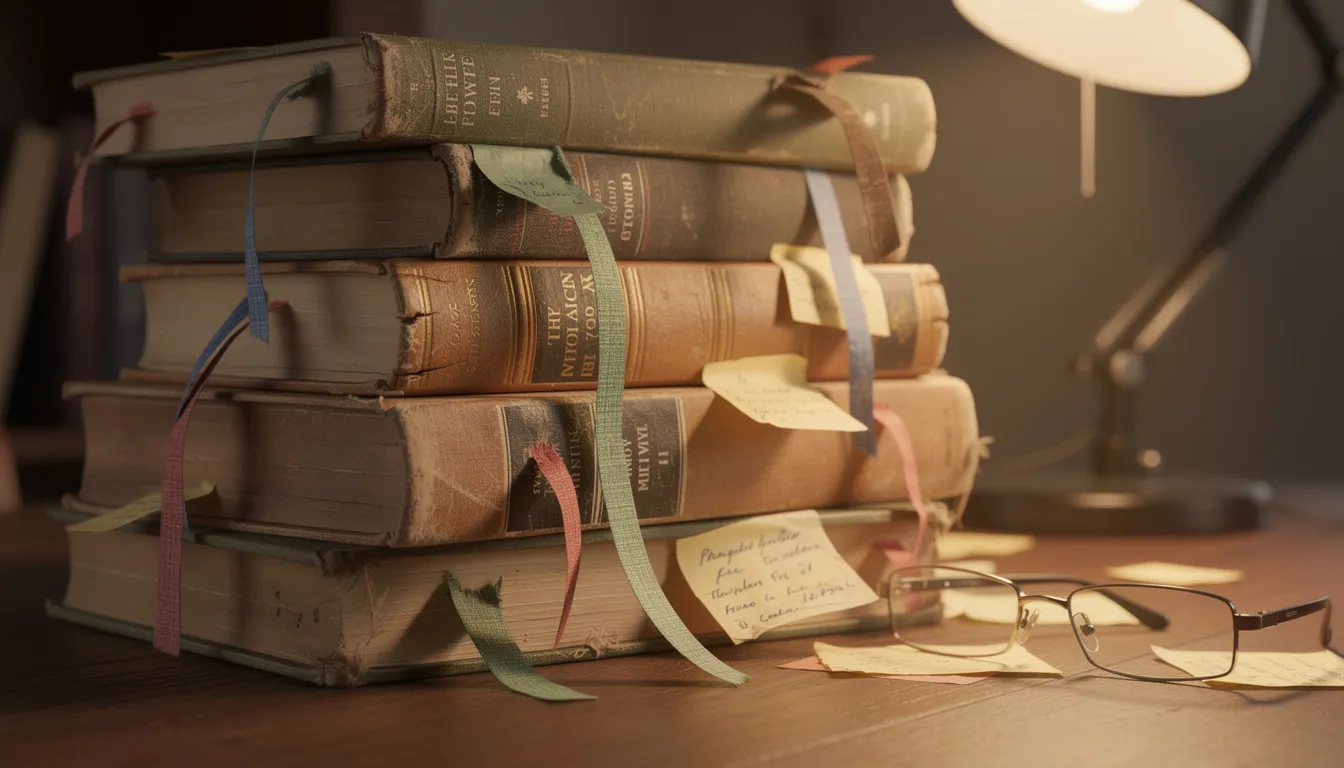
We hope this post has given you practical ways to get the most out of self improvement books for women. If you found this post helpful, share your own experiences in the comments or subscribe for more posts to support your self-improvement journey.
Final thoughts: building a self improvement library that supports women’s rights
Self improvement books for women are more than a trend or a way to pass time. They’re tools for personal healing, confidence building, and ultimately collective liberation. When women do inner work, they show up differently in the world—with clearer boundaries, stronger voices, and greater capacity to advance equality for all women.
Start with one book from each major category rather than trying to read everything at once:
-
One book for self-worth and confidence (start with Brené Brown or Glennon Doyle)
-
One book for boundaries and mental health (Nedra Tawwab’s work is practical and grounded)
-
One book for career and money (choose based on your current career stage)
-
One book for deeper healing (memoir or practical guide depending on your capacity)
Support women authors, especially those from marginalized backgrounds. Choosing diverse voices is a tangible way to advance representation and women’s rights through your reading choices and purchase decisions.
When you finish a book, consider donating it to a local women’s shelter, community center, or youth program. The insights that transformed your life can extend to women who might not otherwise have access.
Every chapter you read and apply is a step toward a more confident, free, and equitable life—for yourself and the women around you. The journey of self discovery and personal growth isn’t selfish. It’s preparation for showing up more fully in the world.
Start reading. Start applying. Start becoming the woman you’re meant to be.
