
Women’s Rights Problems Today: A Modern Take on a 100+ Year Old Fight
More than a century after the first U.S. women’s rights conventions, the core fights over equal pay, safety, and bodily autonomy remain stubbornly unresolved. Here is where we stand in 2026 and what it takes to move forward.
Key Takeaways
Over a hundred years after women won the vote in the United States, important issues affecting women like the gender wage gap, gender based violence, and reproductive freedom are still defining battles. Women represent half of the world’s population and potential, yet no country has achieved full legal equality for women and girls.
- Gender equality is a fundamental human right, yet women and girls still face systemic gender inequality in law, policy, culture, and the global economy. Women globally possess only 64% of the legal rights that men have.
- Threats to abortion access, especially after the 2022 Dobbs decision, and the rollback of rights for transgender and gender-diverse people show how fragile gains in women’s rights remain. Roughly 40% of women live under restrictive reproductive laws worldwide.
- Women’s economic rights-fair wages, caregiving support, and equal access to financial resources-are central to breaking cycles of poverty and dependence. The gender pay gap could cost the economy $7 trillion.
- SHE Thrives Enterprise empowers women and girls in the U.S. through advocacy, free digital self-help tools, confidence-building resources, and community engagement. Read on for data, context, and concrete ways to take action.
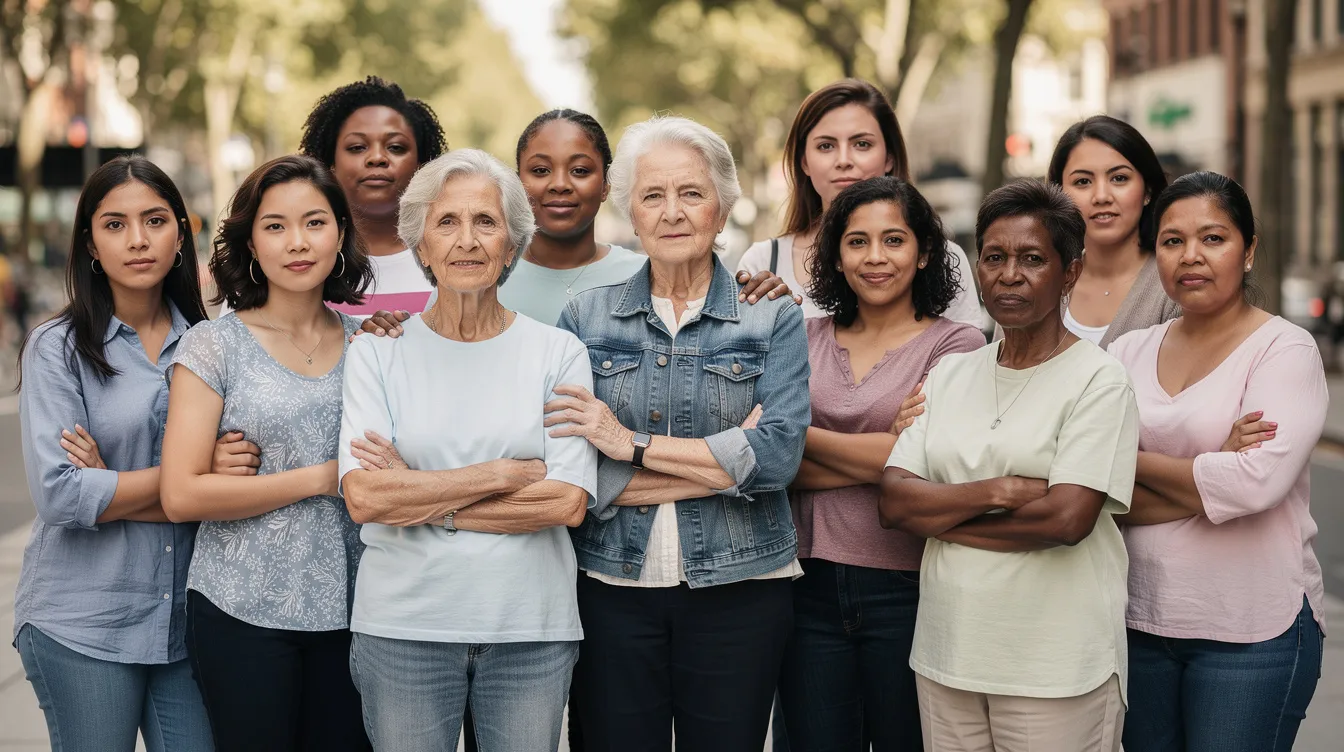
A 100+ Year Struggle in a 2026 World: Why Women’s Rights Are Still “Unfinished Business”
The Seneca Falls Convention of 1848 launched a movement. In 1920, U.S. women finally won the vote. Yet more than a century later, most women are still fighting for safety, dignity, and economic security-the same battles, remixed for a digital, globalized era.
The idea that women’s rights are human rights is backed by powerful international frameworks: the Universal Declaration of Human Rights (1948), the Convention on the Elimination of All Forms of Discrimination Against Women (CEDAW, 1979), and the Beijing Platform for Action (1995). Over 180 states have ratified the CEDAW convention, and the un general assembly has repeatedly affirmed women’s equal rights. Yet practice lags far behind principle.
The World Economic Forum’s 2025 report found the global gender gap has narrowed to just 69% parity-meaning it will take approximately 130 years to close it fully at the current pace. In the U.S., the persistence of unequal pay, rising maternal deaths, and political backlash around gender identity and reproductive rights make clear this is unfinished business.
SHE Thrives Enterprise approaches these challenges as a U.S.-based women’s empowerment nonprofit focused on confidence, economic rights, leadership, and advocacy. Our perspective is grounded in both the lived experiences of women in our community and global human rights standards-because the personal and political are never separate.
Gender Inequality in Law, Policy, and Everyday Life
Gender inequality operates at every level: legal structures, economic systems, cultural norms, and social attitudes. It intersects with race, immigration status, disability, and sexual orientation, creating layered barriers that no single policy can fix.
Despite anti-discrimination laws, gaps persist across the U.S. in pay, hiring, promotion, housing, and criminal justice. Legal discrimination affects women in areas such as employment and personal safety. Black women, indigenous women, and immigrant women face compounded discrimination based on both race and gender-what scholars call intersectionality. For example, Latina immigrant women are disproportionately exposed to wage theft and workplace discrimination with limited access to legal recourse.
Globally, the picture is starker. In several countries, guardianship laws require a male guardian’s approval for women to travel, work, or access health services, restricting women’s freedom and movement freedom. Fifty-four percent of countries lack laws covering all key areas of gender equality, and restrictive family codes in parts of the Middle East, North Africa, and South Asia still deny women property and inheritance rights.
Gender stereotypes and gender bias reinforce these legal gaps in everyday life-shaping who gets hired, who gets promoted, and whose voice is heard. At SHE Thrives Enterprise, we turn policy complexity into accessible guides, workshops, and blog content that help women understand their legal rights and advocate for change in local communities.
Gender-Based Violence and the Fight to End Violence Against Women
Gender based violence includes domestic violence, sexual assault, stalking, sexual harassment, online abuse, and harmful practices like child marriage, forced marriage, and female genital mutilation that target women and girls because of their gender. Violence against women is a major human rights violation-and one of the most widespread.
The numbers are staggering:
- Globally, 1 in 3 women experience physical or sexual violence in their lifetime. That translates to 736 million women.
- About 30% of women aged 15 and older have experienced violence.
- 1 in 4 women experience violence from an intimate partner.
- Every 10 minutes, a woman is killed due to violence.
- Over 676 million women and girls live near armed conflict where risks of sexual violence are heightened.
- Many countries still permit child marriage under certain circumstances, and early marriage significantly hinders girls’ education.
Gender based violence intensifies in conflict zones and emergencies. After the Taliban’s 2021 return to power, afghan women faced escalating restrictions and abuse. Climate-related disasters also increase risks, as women are more likely to be injured or killed during natural disasters.
Online harassment is a modern layer: doxxing, non-consensual image sharing, and threats on social media silence women’s voices and keep them out of political spaces. Young people and LGBTQ+ individuals face especially high rates.
Ending violence requires survivor-centered health services, stronger enforcement of protective orders, comprehensive sex education, and norms change that engages young men and boys. SHE Thrives Enterprise contributes by producing trauma-informed digital self-help content, amplifying resources for survivors, and joining campaigns like the 16 Days of Activism for systemic change.

Economic Rights, Equal Pay, and the Care Work Crisis
Women’s economic rights encompass equal pay for the same work, access to decent jobs and entrepreneurship, financial literacy, property rights, and the freedom to make economic decisions without coercion.
The data is clear:
- Women earn roughly 77% of what men earn for the same work globally. In the U.S., the figure is approximately 83 cents on the dollar for full-time workers.
- Women earn approximately 20% to 23% less than men for work of equal value. Women in the labor market earn around 20% less than men globally.
- Hispanic women lose over $1 million in earnings over a 40-year career compared to white men.
- The gender pay gap could cost the global economy $7 trillion.
What drives these gaps? Occupational segregation, gender discrimination in hiring and promotion, and the massive burden of unpaid labor. Women perform the majority of unpaid care work globally-roughly three times more than men. If valued economically, this work would represent an enormous share of GDP, yet it remains invisible in most economic growth calculations.
New pressures in the 2020s make things worse:
- Pandemic-driven job losses hit mothers and women in low-wage roles hardest
- Rising cost of living and childcare shortages squeeze single mothers and older women
- Workplace discrimination and unequal pay persist even where laws exist on paper
Equal pay and economic justice in practice require pay transparency laws, robust enforcement of equal pay statutes, paid family and sick leave, affordable childcare, and capital access for women entrepreneurs. Women are underrepresented in corporate leadership roles and executive positions, and time women spend out of the workforce for caregiving widens lifetime earnings gaps.
SHE Thrives Enterprise addresses these barriers through free online financial literacy tools, confidence-building workshops for salary negotiation, support for women-owned businesses via our Phoenix-area directory, and advocacy for economic justice legislation. Because the path to sustainable development runs through women’s wallets.
Reproductive Rights, Abortion Access, and Health Inequities
Reproductive rights are core human rights. They include access to contraception, comprehensive reproductive health care, and safe abortions-as well as freedom from forced sterilization, child marriage, and other coercive practices.
The June 2022 Dobbs v. Jackson Women’s Health Organization decision dismantled federal abortion protections in the U.S. By 2026, 13 states have near-total bans and 28 enforce gestational limits. Low-income women and women of color bear the heaviest burden of limited access. Doctors in states like Texas and Idaho face criminal penalties for providing medically necessary care, creating chilling effects on standard medical practice.
Globally, 40% of women live under restrictive reproductive laws. About 6% of women live in countries where abortion is completely prohibited. Meanwhile, 257 million women want to avoid pregnancy but lack access to modern contraception. Progress is possible-in Ireland, abortion was decriminalized after decades of advocacy, and in South Korea, abortion was decriminalized by the end of 2020-but rollbacks remain a constant threat in other countries.
Broader women’s health inequities compound the crisis:
- In 2020, 800 women died daily from preventable pregnancy-related causes. Ninety-five percent of maternal deaths occur in low and middle-income countries.
- In the U.S., Black women face maternal mortality rates roughly three times higher than white women.
- Women face unique stigmas in accessing health care, especially for sexual and mental health needs.
Misinformation about contraception, abortion pills, and sexual health spreads rapidly online, delaying or deterring care. Evidence-based, judgment-free education is essential.
SHE Thrives Enterprise does not provide medical care, but we share vetted educational resources, connect women to reputable health services, host conversations on bodily autonomy, and advocate for policies that protect abortion access and maternal health.
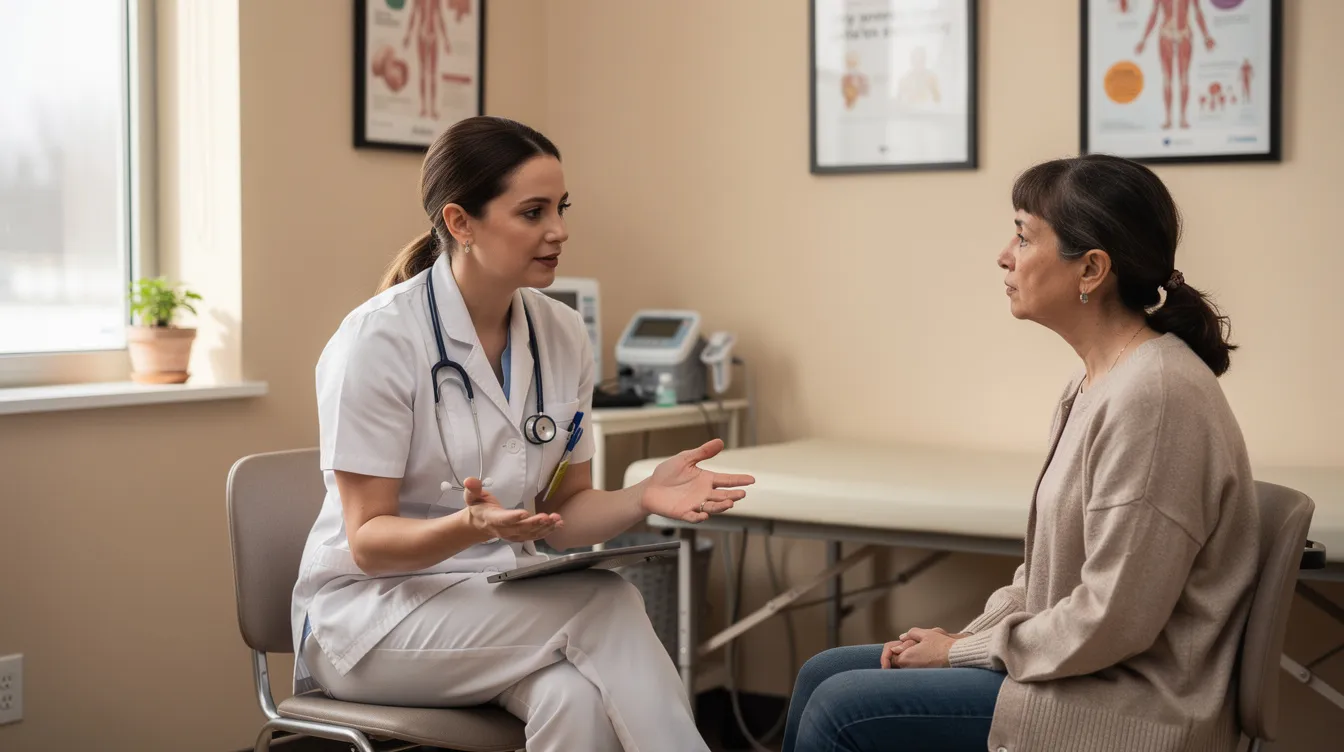
Education, Leadership, and Political Power
When young girls and women learn, lead, and vote, communities and democracies become more resilient. Yet women and girls face unique challenges in accessing education due to systemic barriers.
- 129 million girls are still not in school globally.
- In low-income countries, girls’ primary school enrollment is just 78%.
- Poverty is a major barrier to girls’ education access, and gender-based violence affects girls’ education opportunities at every level.
Even where primary enrollment improves, barriers persist in STEM fields, advanced degrees, and corporate and political leadership. Women hold only 27% of national parliamentary seats globally-in 2024, women held only 27% of those seats and 35.5% of local government seats. The UN estimates it will take 130 years to achieve gender equality in politics and leadership. Women hold just 25% of senior healthcare leadership roles. About 19% of women feel discouraged from participating in politics by sexist norms, online abuse, and institutional gatekeeping.
But grassroots movements are making a difference. Oxfam’s project in Nepal empowered 42% of women to influence local councils, demonstrating what’s possible when women gain equal opportunities. UN Women promotes women’s leadership in political participation worldwide, and local organizations are doing the same work in the U.S.
Leadership also means school boards, nonprofit boards, and workplace teams-not just national politics. SHE Thrives Enterprise offers confidence-building programs for girls and young women, storytelling platforms that amplify diverse voices, mentorship via community groups, and advocacy toolkits that break down how to contact representatives, testify, or organize locally.
Digital Age Challenges: The Gender Digital Divide and Online Harassment
The 21st century has moved much of life-work, education, activism, social connection-online. But gender inequality has followed into digital spaces.
The gender digital divide is real: fewer women and girls, especially in low-income countries, have access to smartphones, computers, or reliable internet. Up to 90% of girls in some low-income countries lack internet access, compared to 78% of boys. Without digital access, women miss out on online learning, remote work, e-commerce, telehealth, and digital organizing-reinforcing existing inequalities and blocking women’s access to equal opportunities.
Online harassment is now a defining women’s rights issue. Surveys show that 1 in 4 U.S. women have experienced online harassment, and among LGBTQ+ women, that rate jumps to 55%. Women journalists, activists, and public figures face threats, sexist abuse, and doxxing that often spill into offline violence. These risks are amplified for those whose gender identity, sexual orientation, or racial identity make them more visible-and more targeted.
Solutions include stronger platform accountability, digital self-defense training, laws addressing online abuse without stifling free speech, and digital literacy programs that center girls and marginalized women.
SHE Thrives Enterprise uses digital platforms responsibly by offering safe online support spaces, moderated community groups, self-help resources, and blog guidelines that protect contributors’ privacy and security.
Global Flashpoints: Afghan Women, Migration, Climate, and Crises
Some of the most severe women’s rights violations occur where conflict, authoritarianism, climate disasters, and forced migration collide-turning long-standing inequalities into life-or-death emergencies.
Afghan women remain among the hardest hit. Since the Taliban’s 2021 return to power, women and girls have faced bans on secondary and higher education, strict movement restrictions requiring a male guardian for travel, loss of employment, and escalating poverty. Afghanistan is one of the most gender-repressive regimes in 2026, a devastating reversal of decades of progress.
Women migrants and refugees-fleeing conflict in places like Syria or climate-driven disasters across Central America and the Sahel-face heightened risks of human trafficking (women represent 71% of all victims of human trafficking), sexual violence, and lack of access to health care and legal protection along migration routes and in camps.
Climate change is also deeply gendered. Women farmers and caregivers in low-income countries are often the first affected by droughts, floods, and food crises. Climate shocks increase unpaid labor burdens and exposure to violence. Around the world, as the international bill of human rights affirms, these women deserve the same rights and protections as anyone else.
U.S. policy matters: refugee resettlement decisions, climate action, foreign aid for education, reproductive health, and gender based violence prevention all shape whether the global economy advances or retreats on women’s rights. Human rights watch groups and the united nations continue to sound the alarm.
While SHE Thrives Enterprise’s direct programming is U.S.-focused, we connect our community to global advocacy, educate about international human rights frameworks-including those observed annually on international women’s day-and encourage solidarity actions like contacting elected officials and supporting trusted global partners.
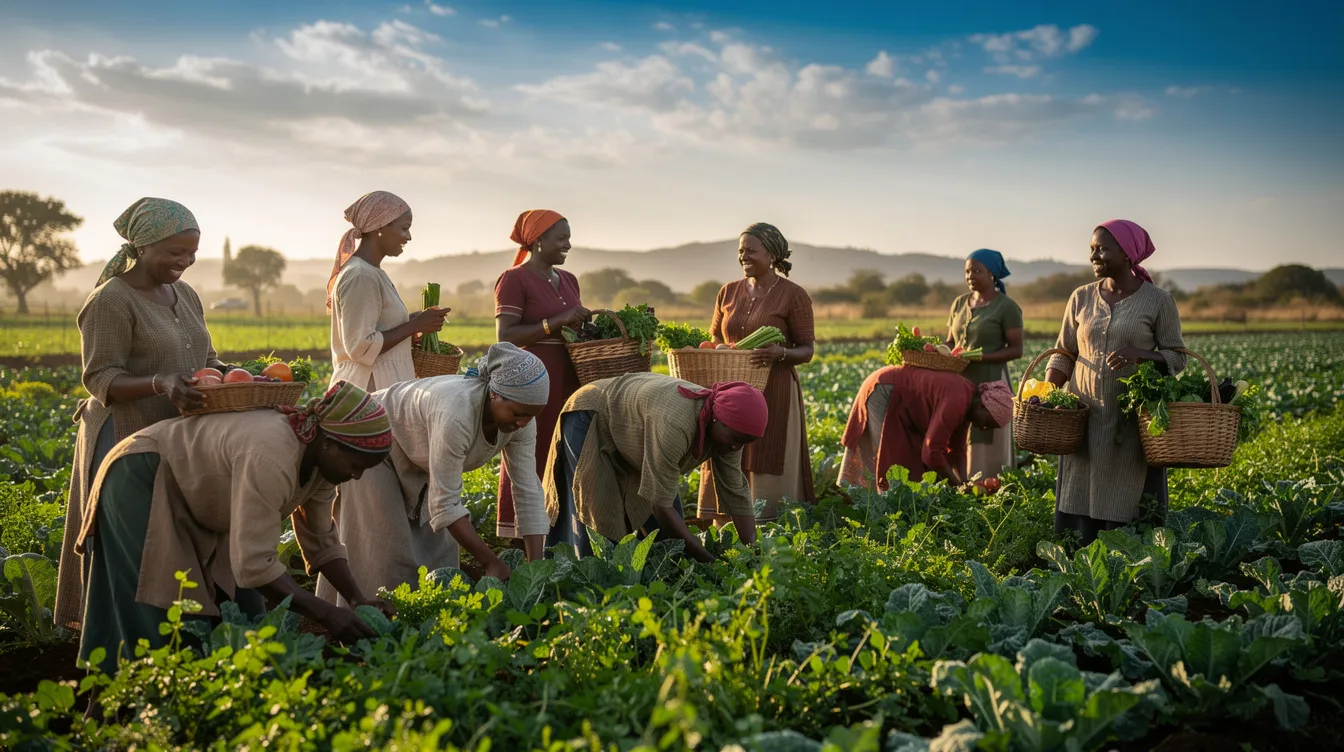
How SHE Thrives Enterprise Helps Women Turn Awareness into Action
After reading about these challenges, many readers ask the same question: “What can I actually do about this, from where I am?”
That is exactly where SHE Thrives Enterprise meets you. Our core offerings include:
- Free digital self-help tools: confidence exercises, boundary-setting guides, financial literacy resources, and mental health support designed for women navigating real-world barriers.
- Educational blog: breaking down complex civil rights and women’s rights issues into accessible, shareable content.
- Online community: groups where women and girls can share experiences, ask questions, and support one another.
We support women’s economic rights locally through our Phoenix metropolitan woman-owned business directory, which builds visibility, networks, and customer support for women entrepreneurs-fueling economic growth from the ground up.
You can Strive, Honor, and Elevate with us:
- Volunteer for our blog team to amplify underrepresented stories
- Join online empowerment groups
- Support our 501(c)(3) mission through donations or purchases from our Amazon-shop gift line
- Participate in campaigns for equal pay, reproductive justice, and ending violence
Our approach centers emotional intelligence, self-care, and holistic wellness alongside advocacy. Sustainable activism requires protecting your own mental health, boundaries, and energy.
Pick one concrete next step today-learning, sharing, donating, or organizing-that fits your life right now. That is how movements are built: one action, one person, one community at a time.
Frequently Asked Questions About Women’s Rights Problems Today
These questions address practical concerns readers often have after learning about current gender inequality, human rights issues, and what they can do to promote gender equality from wherever they are.
How can I support women’s rights if I don’t have much money or free time?
You don’t need a big budget or empty calendar to make a difference. Start with low-cost, realistic actions:
- Learn and share accurate information about women’s rights issues with your circle
- Challenge sexist comments in everyday conversation
- Vote in local and national elections with women’s rights in mind
- Support women-owned businesses when you can
Use micro-moments-commutes, lunch breaks, waiting rooms-to listen to a podcast, read a short explainer, or complete a quick advocacy action like signing a petition or emailing a legislator. Organizations like SHE Thrives Enterprise offer free tools designed for exactly this. Non-monetary contributions like writing for our blog, offering professional skills pro bono, or moderating online community spaces are just as valuable as donations.
What is the difference between gender equality and women’s empowerment?
Gender equality refers to equal rights, responsibilities, and equal opportunities for all genders-ensuring that no one is disadvantaged because of their gender. Women’s empowerment focuses on strengthening the power, confidence, and resources of women and girls who are currently disadvantaged by systemic barriers.
Both are necessary. Empowerment helps women navigate and challenge unequal systems right now, while structural equality reforms laws, institutions, and norms so future generations don’t face the same fights. SHE Thrives Enterprise blends both-helping individual women build skills and confidence while working on advocacy and public education to shift systems toward achieve gender equality for all.
How do women’s rights issues affect men and boys?
Gender inequality harms everyone. Rigid gender stereotypes discourage emotional expression in young men and boys, pressure men to be sole providers, and fuel stress, violence, and poor mental health outcomes. When families, workplaces, and local communities operate on more equal terms, fathers, sons, brothers, and partners benefit too.
Men and boys can be powerful allies by listening to women’s experiences, learning about gender based violence, modeling respect and consent, sharing unpaid care work at home, and speaking up against sexism among peers. Equality is not a zero-sum game-it lifts entire communities.
Why are transgender rights and gender identity issues part of women’s rights today?
Human rights principles apply to everyone. Attacks on people based on gender identity or expression are part of a broader pattern of policing gender and limiting bodily autonomy-the same pattern that restricts cisgender women’s reproductive rights and women’s freedom.
Trans women and non-binary people often face extreme levels of violence, discrimination based on who they are, and poverty. Solidarity across gender identities is essential for any honest movement toward gender equality. SHE Thrives Enterprise supports inclusive advocacy that defends the dignity, safety, and same rights of all women and gender-diverse people, in line with our values of Strive, Honor, and Elevate.
How can I get involved with SHE Thrives Enterprise specifically?
Getting started is simple. Here are your options:
- Subscribe to our updates for the latest on women’s rights, empowerment, and advocacy
- Use and share our free digital self-help and empowerment tools
- Join our online community groups for connection and support
- Apply to volunteer on our blog team
- Support our 501(c)(3) through donations or gift purchases from our Amazon shop
- If you own a women-led business in the Phoenix metro area, apply to be listed in our directory
Think of involvement as a journey-start with learning, then connect, then lead initiatives in your own circles. SHE Thrives Enterprise is your partner along the way.
