
Words of Empowerment: A Year-Round Guide for Women Building the Life They Want
Words of empowerment are practical tools—not just pretty quotes—for women who feel stuck, overlooked, or under-supported in 2024–2026.
One
This guide offers ready-to-use affirmations and quote-based practices you can apply today to careers, studies, caregiving, and personal healing.
Two
You’ll find a 52-week quote plan, journaling prompts, and daily rituals designed specifically for women lacking traditional support systems, all aimed at fostering happiness, fulfillment, and not just productivity.
Three
The focus is on honest language that names fear, money stress, and cultural barriers while still calling you forward.
Why Words of Empowerment Matter When You Feel Alone
If you’re reading this as a woman in 2026 trying to build a life without the support you wish you had, this guide is for you. Maybe you’re a single mother retraining for a new career after layoffs. Maybe you’re the first in your family to pursue a university degree. Maybe you left a relationship and are starting over with nothing but determination.
Words of empowerment aren’t magic spells. But when you are the first in your family or community to chase a new kind of life, the right words can act as a lifeline. As Charlotte Brontë wrote in Jane Eyre, “I am no bird; and no net ensnares me: I am a free human being with an independent will.”
Inspiration can come from the words and stories of others, fueling motivation and hope during difficult times.
This article promises practical, structured ways to weave empowering language into your week—even if you have only five minutes a day. You’ll find quotes from strong women across history, daily affirmations that acknowledge real struggle, and rituals designed for busy lives.
What Are “Words of Empowerment” and How Do They Actually Help?
Definitions of Key Concepts
-
Empowering words and phrases are essential for building resilience, boosting confidence, and fostering a growth mindset. They are the language that helps you bounce back from setbacks, believe in your abilities, and see challenges as opportunities for growth.
-
Affirmations are positive statements used to challenge negative thoughts and build self-worth. Using positive affirmations helps build confidence and overcome challenges by reinforcing your strengths and potential.
-
Internal self-talk refers to the ongoing dialogue you have with yourself. This self-talk can shift your mindset from a state of “stuckness” to one of action, helping you move forward even when you feel blocked.
Empowering words and phrases are not just motivational—they are essential for building resilience, boosting confidence, and fostering a growth mindset. They can provide comfort during a crisis, motivation for personal growth, or a simple boost to self-esteem. Words have the power to motivate, inspire, educate, energize, and mobilize people, making them a vital tool for personal and collective transformation.
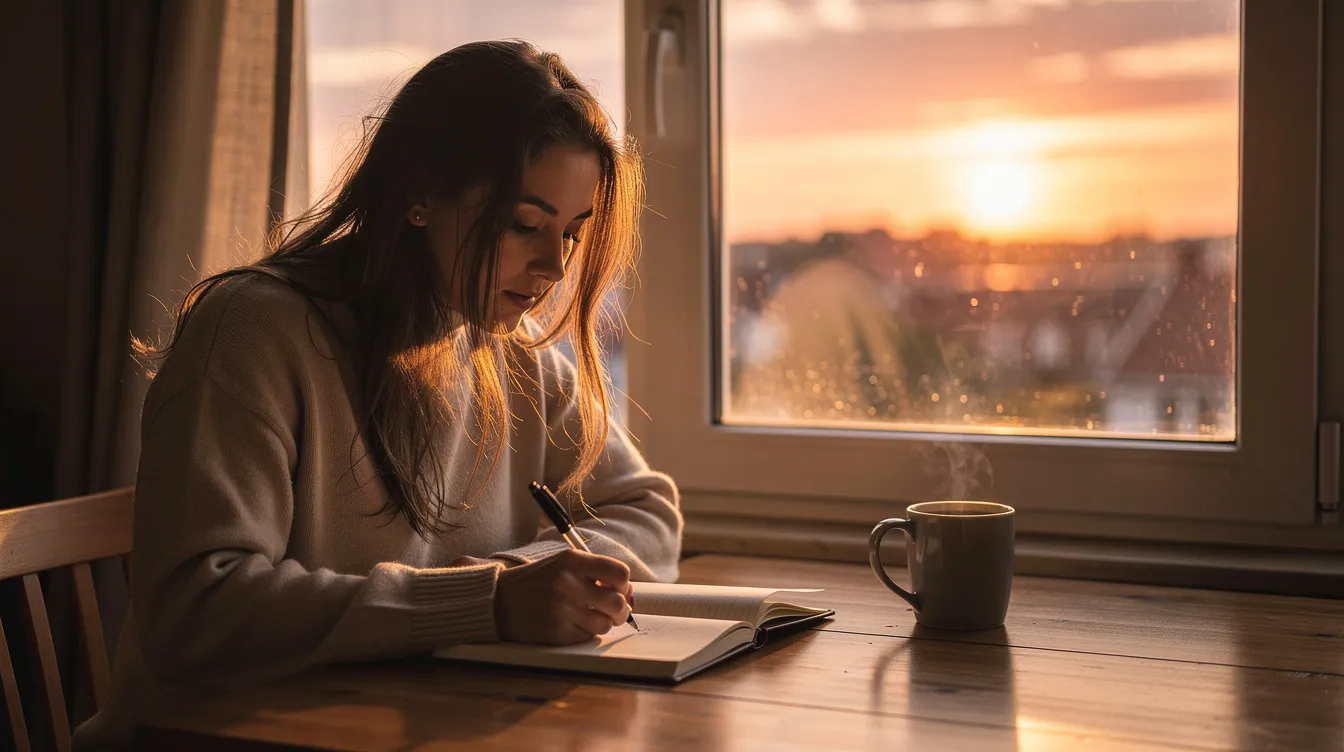
Words of empowerment include motivational quotes, personal affirmations, self-talk mantras, and intentional phrases designed to foster inner strength. They’re the sentences you write on sticky notes by your alarm, the quotes on your phone lock screen, and the prayers you whisper before a difficult conversation.
How Empowering Words Help Women
-
Building self-efficacy: Studies since 2010 on self-talk show that positive, action-oriented internal dialogue reduces cortisol levels during stress and enhances persistence in goal pursuit.
-
Developing a growth mindset: Repeated exposure to empowering language can rewire neural pathways associated with resilience.
-
Taking concrete action: A woman negotiating a raise in 2025 might internalize Carol Burnett’s words: “Only I can change my life. No one can do it for me.”
Language alone is not magic—but words repeated, believed, and backed by action can shift the path of a woman’s life.
The difference between “feel-good” quotes and true empowerment language is honesty. Authentic empowerment words name fear, money stress, and cultural barriers, and still call you forward.
True empowerment means striving to be a first rate version of yourself, rather than settling for a second rate version of someone else.
Characteristics of Strong Women
Strong women are defined not just by their achievements, but by the qualities they embody every day. These characteristics—leadership, empowerment, conservation, sustainability, embracing failure, and setting boundaries—are the foundation for women who want to change the world and build their own life on their own terms. By cultivating these traits, more women can inspire others, achieve power, and leave a lasting legacy. Celebrating woman’s success and actively supporting other women to achieve their goals is essential for fostering empowerment and creating a positive impact in every field.
Leadership and Empowerment
Leadership and empowerment are at the heart of what makes strong women stand out. They don’t wait for permission to lead; instead, they step forward, using their voices to inspire and uplift those around them. Malala Yousafzai, a Nobel Peace Prize winner and renowned civil rights activist, reminds us, “We realize the importance of our voices only when they are silenced.” Strong women like Malala and Michelle Obama understand that their words and actions can spark change—not just for themselves, but for women everywhere. They realize that true leadership is about empowering others, breaking barriers, and showing what’s possible when women believe in their own power. By leading with courage and conviction, strong women inspire others to find their voice and take action in their own lives and communities.
Conservation and Sustainability
Strong women recognize that their influence extends beyond personal success—they are also stewards of the world around them. Conservation and sustainability are core values for women who want to make a difference for future generations. Jane Goodall, a pioneering conservationist, famously said, “The most powerful weapon we have is our voice, and we must use it to make a difference.” Women like Jane Goodall show that using your voice for the planet is one of the most powerful weapons for change. Strong women advocate for sustainable practices, protect natural resources, and encourage others to live in harmony with nature. By championing conservation, they ensure that their impact benefits not just people, but the entire world.
Embracing Failure
For strong women, failure is not a defeat—it’s a stepping stone to greater success. They understand that setbacks are part of the journey and that each challenge is an opportunity to learn and grow. Oprah Winfrey, a former first lady of media and a global icon, has often spoken about the importance of seeing failure as a necessary part of success. She reminds us that “Failure is not the opposite of success; it’s a part of success.” Strong women are willing to take risks, try new things, and face the possibility of falling short, knowing that every experience helps them develop resilience and perseverance. By embracing failure, women can transform obstacles into opportunities and continue moving forward toward their best life.
52 Weekly Words of Empowerment: A Quote for Every Week of Your Year
Each week of your year can be paired with one quote from a diverse woman leader, artist, civil rights activist, or everyday heroine. Making the process of using empowering quotes fun can boost your motivation and help you stay consistent on your journey. Below are quotes grouped by theme, with guidance on how to use them in real life.
Courage
-
Mary Anne Radmacher: “Courage doesn’t always roar. Sometimes courage is the little voice at the end of the day that says I’ll try again tomorrow.” Use this after a day that didn’t go as planned—remind yourself that starting again is brave.
-
Rosa Parks: “I have learned over the years that when one’s mind is made up, this diminishes fear.” Repeat before a difficult conversation with family or an employer.
-
Anne Frank: “How wonderful it is that nobody need wait a single moment before starting to improve the world.” Use this when you feel too small to change the world—your small things matter.
Career and Ambition
-
Michelle Obama, former first lady: “Don’t be afraid. Be focused. Be determined. Be hopeful. Be empowered.” Write this on your planner before a job interview.
-
Serena Williams: “I really think a champion is defined not by their wins but by how they can recover when they fall.” Use after a rejection letter or failed pitch.
-
Oprah Winfrey: “The ability to triumph begins with you – always.” Repeat before asking for a raise or promotion.
-
Brené Brown, podcast host: “You can choose courage or you can choose comfort, but you cannot choose both.” Remember this when stepping outside your comfort zone at work.
Healing and Resilience
-
Maya Angelou, American author: “We delight in the beauty of the butterfly, but rarely admit the changes it has gone through to achieve that beauty.” Use when healing feels slow and invisible.
-
Nelson Mandela: “The greatest glory in living lies not in never falling, but in rising every time we fall.” Write this in your journal after a setback.
-
Lady Gaga: “Do not allow people to dim your shine because they are blinded.” Use when criticism from others weighs heavy.
Education and Growth
-
Malala Yousafzai, Nobel Peace Prize winner and UNICEF Goodwill Ambassador: “I raise up my voice – not so I can shout, but so those without a voice can be heard.” Use before exams or presentations when you doubt your right to be there.
-
Marie Curie: “We must have perseverance and above all confidence in ourselves.” Repeat during late-night study sessions.
-
Albert Einstein: “The most beautiful thing we can experience is the mysterious.” Use to embrace curiosity when learning feels hard.
Community and Connection
-
Helen Keller, disability rights advocate: “Alone we can do so little; together we can do great things.” Use when reaching out for help feels vulnerable.
-
Jane Goodall: “What you do makes a difference, and you have to decide what kind of difference you want to make.” Repeat when your work feels invisible.
-
Audrey Hepburn: “Nothing is impossible, the word itself says ‘I’m possible!’” Share with a friend who needs encouragement.
Remember, the support and kindness you offer can provide shade today for others, creating a legacy of empowerment within your community.
Self-Worth and Identity
-
Viola Davis, American actress: “The only thing that separates women of color from everyone else is opportunity.” Use when systemic barriers feel overwhelming.
-
Walt Disney: “All our dreams can come true if we have the courage to pursue them.” Write this when starting a new dream.
-
Motivational speaker Rachel Hollis: “You are allowed to want more for yourself… You don’t need anyone’s permission.” Use when family disapproves of your ambitions.
Remember: more women across history have faced what you’re facing now—and their voices can light your path.
How to Use Your 52-Week Empowerment Plan
-
Assign one quote to each calendar week. Start Week 1 on the first Monday of the coming month, regardless of date.
-
Make it visible. Write your weekly quote on your phone lock screen, bathroom mirror, or planner.
-
Speak it aloud. Read the quote each morning. Hearing your own voice makes all the difference.
-
Pair with one tiny action. Each week, connect the quote to a micro-action: send a networking email, practice a boundary conversation, or apply for one opportunity.
-
Restart without guilt. Missing a week is not failure. Pick up at the current week and keep going.
Daily Affirmations for Women Chasing “Impossible” Dreams
Honest affirmations admit fear, money worries, and past trauma. Here are ready-to-use statements for specific struggles:
For women returning to school after 30
-
“I am not too old. I am just the place to begin.”
-
“My experience is a stepping stone, not a barrier.”
For women in male-dominated careers
-
“I belong in every room I enter.”
-
“My voice deserves to be heard alongside all others.”
For mothers juggling caregiving and ambition
-
“This month, I give myself permission to start small and still call it progress.”
-
“My dreams do not abandon my children—they inspire them.”
-
“Even the smallest act, when done with great love, can make a big difference.”
For immigrant women building new lives
-
“I am building a bridge my ancestors could only dream of.”
-
“My accent is the sound of courage.”
When to repeat affirmations:
-
First thing in the morning
-
Before sleep
-
In the car before a big meeting
-
During a five-minute break at work
Rewrite each affirmation in language that sounds like your own community, dialect, or culture. Authenticity matters.
Creating Your Own Empowering Sentences
Follow this 3-step process to build personal affirmations from your real fears and goals:
-
Name the raw fear. Write it honestly: “No one in my family believes I can do this.”
-
Acknowledge it truthfully. Don’t pretend it away: “I am scared, and I am moving anyway.”
-
Reframe with agency. Transform it: “I am the first, and that makes me strong.”
Date your affirmations (e.g., “Written April 2026”) so you can look back and realize how much you’ve grown. Keep a small notebook or notes app titled “Words I Am Growing Into.”

Real Stories: How Empowering Words Fuel Women’s Journeys
Stories of other women using empowering words can feel like having a mentor in your pocket.
Detroit, 2024: A single mother starting a cleaning business kept Rachel Hollis’s quote—“You don’t need anyone’s permission”—on her phone during client pitches. After three months, she secured her first contract.
Lagos, 2025: A student without family support wrote her own affirmation: “Empowerment is about believing in yourself when no one else does.” She repeated it daily and won a scholarship that changed her life.
India, 2026: A nurse transitioning into tech repeated Sheryl Sandberg’s words about being bold and seeking support. After two rejections, she enrolled in a coding program and is now thriving.
A powerful example of a woman’s success is Serena Williams, who has spoken about using her platform to inspire women everywhere and celebrate collective strength. Her journey shows how empowering words can fuel achievement and encourage others to pursue their goals. These stories not only highlight individual accomplishments but also celebrate and inspire woman’s success in various fields.
These women faced setbacks—rejected applications, criticism from relatives, burnout. But empowering words helped them take one next step instead of giving up entirely.
Think about one woman in your own life whose words once strengthened you. Write that sentence down and carry it forward.
Turning Words into Action: Practical Rituals for Busy Women
If you’re balancing jobs, children, aging parents, or studies, these micro-rituals take 1–10 minutes:
-
Morning power sentence: Before leaving bed, say one line aloud: “Today, I choose hope.”
-
3-line evening reflection: Write what you’re proud of, what you learned, and tomorrow’s intention.
-
Pre-application ritual: Speak a quote before submitting any job or funding application.
-
“Wins” folder: Save one empowering note per week in your phone’s notes app.
Remember, even only small things, when done with intention, can create meaningful change over time.
Simple Sunday ritual:
-
Review the past week’s quote
-
Note one brave action you took
-
Choose next week’s words
Bring other women into these rituals—text a weekly quote to a sister or friend, or start a 10-minute virtual empowerment circle monthly.
The goal is not perfection but consistency. Small, repeated uses of empowering language over months can shift how you see yourself.
Using Empowering Language in Conversations
Moving from silent self-talk to spoken words sets boundaries and asks for what you need.
Replace apology-heavy language:
-
Instead of “I’m sorry to bother you, but…” say “I need…”
-
Instead of “This might be a silly idea…” say “I’ve been thinking about…”
-
Instead of “If it’s not too much trouble…” say “I’ve decided…”
For specific contexts:
-
Negotiating schedules: “I need Tuesday evenings for my course.”
-
Declining unpaid labor: “I won’t be able to take that on this month.”
-
Asking for support: “I need help with the children on weekends.”
As Bette Davis noted, “When a woman gives her opinion, she’s a bitch.” Society sees assertive women differently—but your voice matters. Start with tiny, low-risk conversations and build from there.
Mindfulness and Self-Care: Nurturing Your Inner Strength
Mindfulness and self-care are not luxuries—they are the foundation for developing the inner strength needed to face life’s toughest times. As Maya Angelou wisely said, “You may not control all the events that happen to you, but you can decide not to be reduced by them.” Practicing mindfulness allows you to pause, breathe, and notice your thoughts without judgment, helping you manage stress and negative thoughts before they take root.
Oprah Winfrey, a global icon and advocate for women’s empowerment, reminds us, “Self-care is not selfish. It is a necessity.” Prioritizing your own well-being—whether through meditation, journaling, or simply taking a quiet walk—helps you recharge and show up as your best self in every area of your life. Even a few minutes of intentional self-care each day can make all the difference in how you handle challenges.
Helen Keller, a renowned disability rights advocate, believed in the power of community: “Alone we can do so little, but together we can do so much.” Leaning on others and sharing your journey can provide the support and encouragement needed to keep going. Remember, nurturing your inner strength is not just about surviving tough times—it’s about developing the resilience and hope to thrive, no matter what life brings.
Creating a Vision: Imagining the Life You Want
Imagining the life you want is the first step toward making your dreams a reality. Vision gives you direction, purpose, and the motivation to keep moving forward, even when the path gets difficult. Walt Disney, a pioneer in creativity and innovation, famously said, “All our dreams can come true, if we have the courage to pursue them.” Allow yourself to dream boldly and envision a future where your happiness and success are possible.
Michelle Obama, former First Lady and a champion for women’s voices, encourages us to “become the change you want to see in the world.” By picturing the life you desire, you set the stage for meaningful action and inspire others to do the same. Creating a vision board, writing down your goals, or simply reflecting on what brings you joy can help clarify your direction.
Marie Curie, Nobel Peace Prize winner and trailblazer in science, reminds us, “One never notices what has been done; one can only see what remains to be done.” This perspective keeps you focused on growth and progress, rather than perfection. Your vision is not just about achieving one big goal—it’s about building a life filled with purpose, happiness, and new dreams that light your way forward.
Setting Boundaries: Protecting Your Energy and Dreams
Setting boundaries is a powerful act of self-care and self-respect, essential for protecting your energy and nurturing your dreams. Civil rights activist Rosa Parks taught us that “when one’s mind is made up, this diminishes fear.” By deciding what you will and will not accept, you create space for your own growth and well-being.
Lady Gaga, celebrated singer and American actress, urges women to “always speak your truth, even if your voice shakes.” Setting boundaries may feel uncomfortable at first, but using your voice to advocate for your needs is a vital step toward living authentically. Whether it’s saying no to extra work, carving out time for rest, or protecting your creative space, boundaries help you stay true to your goals.
Viola Davis, an acclaimed American actress, reminds us, “You define you.” Your boundaries are a reflection of your values and dreams—not what society sees or expects. By honoring your limits, you diminish fear, strengthen your sense of self, and ensure that your energy is invested in what truly matters to you. Remember, every time you set a boundary, you are taking a stand for your own happiness and success.
Staying Motivated: Keeping Your Fire Alive All Year
Motivation is the fuel that keeps your dreams alive, especially during challenging seasons. Serena Williams, a world-renowned athlete and advocate for women’s success, believes, “The success of every woman should inspire every other woman.” Surrounding yourself with stories of strong women and celebrating each other’s wins can reignite your own passion and drive.
Jane Goodall, a pioneering conservationist, warns, “The greatest danger to our future is apathy.” Staying inspired means actively seeking out hope, light, and new sources of inspiration—even when the world perceives your efforts as small. Whether it’s listening to a motivational speaker, joining a supportive community, or revisiting your favorite phrase, these actions help you stay connected to your purpose.
Nelson Mandela, former Prime Minister and Nobel Peace Prize winner, reminds us, “The greatest glory in living lies not in never falling, but in rising every time we fall.” Motivation isn’t about never facing setbacks—it’s about finding the hope and courage to rise again, each time you stumble. Keep your dreams in sight, celebrate your progress, and let the inspiration of others remind you that your journey matters. With hope and resilience, you can achieve great things and inspire more women to do the same.
Supporting Yourself When No One Else Believes in Your Dream
For women without emotional, financial, or social support, empowering words act as internal support during late-night doubts.
Scripts for hard seasons:
-
After a failed exam: “This rejection is information, not a verdict. I choose one next step.”
-
After a rejected application: “No is a word, not a wall. I apply again.”
-
During financial strain: “I deserve stability, and I am building it.”
Build a “support wall”—a physical space or private journal with written quotes, prayers, and promises to yourself, dated through 2024–2026.
When words are not enough, reaching out for professional help (therapists, legal aid, financial counseling) is also an empowered act.
Finding Community Through Shared Words
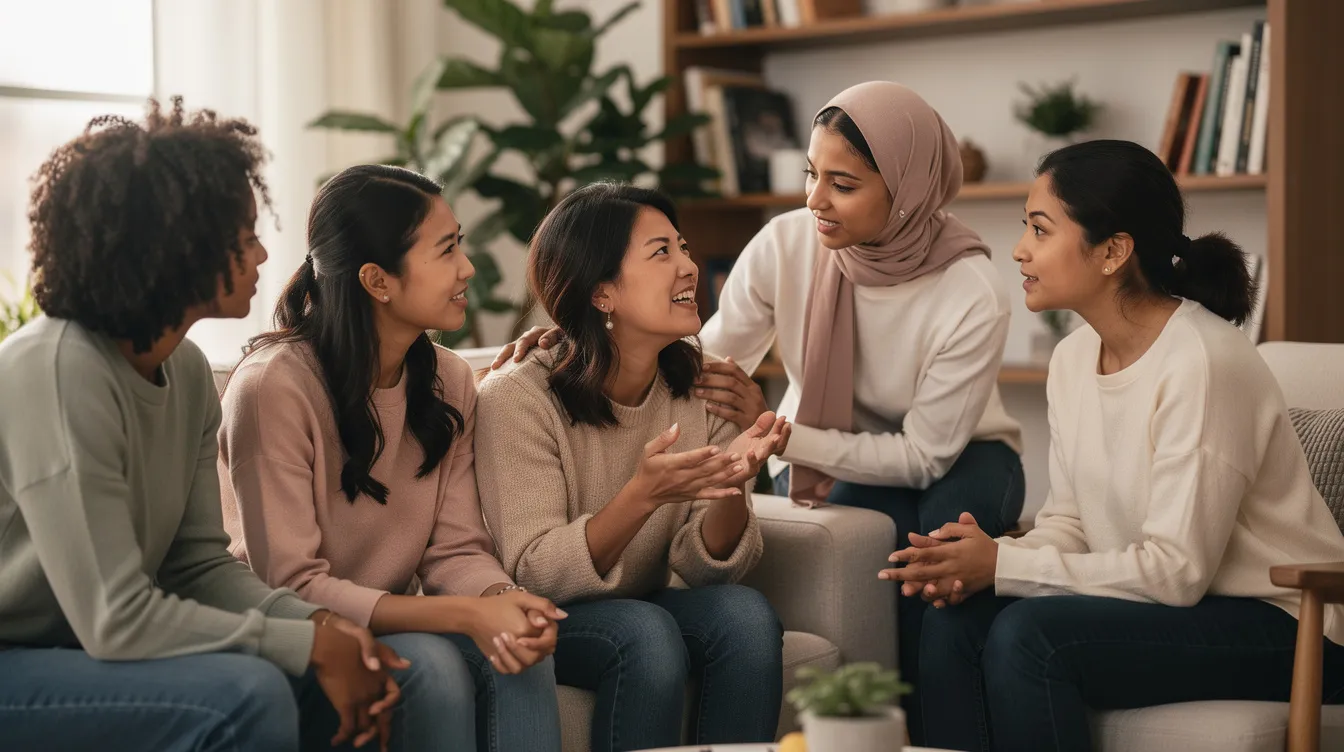
Even if you live in a small town or feel isolated, you can connect with other women around empowerment words:
-
Join book clubs reading women’s memoirs
-
Start a WhatsApp group sharing weekly quotes
-
Find online communities focused on women’s careers and healing
Since 2020, women have built unexpected sisterhoods online—exchanging not just quotes, but job leads, study tips, and parenting advice. One honest exchange—“Your words helped me not give up today”—can be a most powerful weapon against isolation.
FAQ: Using Words of Empowerment in Real Life
How do I use empowering words when I feel completely exhausted?
In seasons of burnout, keep practices extremely small. One sentence of self-kindness before sleep is enough. Anchor a short phrase to an existing habit—brushing teeth, making tea, commuting. Sometimes the only necessary sentence is “Today, survival is enough.” Rest itself is empowering. If exhaustion is chronic, use empowering words to ask for help from a doctor, therapist, or trusted friend.
What if empowerment quotes feel fake or cheesy to me?
This reaction is normal. Not every quote resonates with every person. Treat quotes as starting points—rewrite them in your own plain language. Focus on quotes that acknowledge struggle and messy reality, not just positive vibes. Pay attention to everyday empowering sentences from grandmothers, coworkers, or friends. Those are valid “quotes” too.
Can words of empowerment really help if my main problem is money or safety?
Words alone cannot replace income, housing, or safety. Never minimize your real material needs. But empowering language is a tool for clear thinking and courageous decision-making when talking to landlords, employers, or social services. Telling yourself “I deserve safety and stability” can be the first step toward reaching out for help.
How can I introduce empowerment practices to my daughters, sisters, or younger girls?
Read stories or biographies of women leaders together and discuss one key sentence from each. Write empowering notes in lunchboxes or on bedroom mirrors. For teens, set up inspiring phone wallpapers (with their consent). Most importantly, model it—let younger girls overhear you speaking kindly to yourself and advocating for your own needs.
How do I stay consistent when life gets chaotic?
Consistency does not mean perfection. Set a simple minimum: one empowerment sentence per day or one quote per week. Tie practices to calendar checkpoints already in your life—paydays, school terms, birthdays. Studies show habit formation takes about 66 days on average, but you can always restart at the current day without catching up on what you “missed.”
BONUS: Empowerment Quotes, Statements, and Inspirational Words from Women Leaders
A common way people lose their power is by believing they have none—a truth echoed by many influential voices throughout history.
Education stands as the most powerful weapon you can wield to change the world, a fact emphasized by global leaders and visionaries.
Empowering words and phrases are vital tools for building resilience, boosting confidence, and cultivating a growth mindset among women everywhere.
These inspirational quotes offer comfort during challenging times, motivate personal growth, and provide a much-needed lift to self-esteem.
Authentic encouragement through specific and sincere validation often has a greater impact than generic praise when motivating others.
Empathy holds more value than finding the “perfect” words when supporting someone, underscoring the importance of genuine connection.
Internal self-talk can transform a mindset from feeling stuck to taking action, making affirmations a crucial element of personal empowerment.
Using single, powerful words can help focus your mind during times of stress or transition, enhancing mental clarity.
Affirmations are positive statements that challenge negative thoughts and build self-worth, essential for nurturing empowerment.
Resilience—the ability to recover quickly from setbacks and choose growth over comfort—is strengthened by empowering language.
Positive affirmations foster confidence and help overcome challenges, supporting women in reaching their goals.
“There is always light. If only we’re brave enough to see it. If only we’re brave enough to be it.” —Amanda Gorman, a contemporary poet and activist, inspires us to embrace courage.
Grit, defined as the blend of passion and perseverance for long-term goals, is key to sustained personal growth.
“Believe you can and you’re halfway there.” —Theodore Roosevelt, former president, highlights the critical role of self-belief in personal development.
“You are never too old to set another goal or to dream a new dream.” —C.S. Lewis reminds us that personal growth is a lifelong journey.
“It is never too late to be what you might have been.” —George Eliot encourages transformation and growth at any stage of life.
“What you get by achieving your goals is not as important as what you become by achieving your goals.” —Zig Ziglar emphasizes the transformative nature of personal growth.
“There is no limit to what we, as women, can accomplish.” —Michelle Obama, former first lady and advocate for women’s empowerment, celebrates women’s potential.
“Women must try to do as men have tried. When they fail, their failure must be but a challenge to others.” —Amelia Earhart, aviation pioneer and activist, inspires courage and resilience.
“A girl should be two things: Who and what she wants.” —Coco Chanel, fashion icon and businesswoman, speaks to identity and empowerment.
“You must do the thing you think you cannot do.” —Eleanor Roosevelt, former first lady and champion of personal empowerment, urges bold action.
“The most courageous act is still to think for yourself. Aloud.” —Coco Chanel reminds us of the power of independent thought and self-expression.
Your words are the first vote for the life you’re building. As women achieve power through education, their best life becomes possible—not because the world perceives them differently, but because they develop the voice to speak their truth.
Choose one quote from this article today. Write it down. Speak it aloud. Let it carry you into tomorrow.
