
Women Rights Issues Today: Key Challenges, Online Solidarity, and How We Move Forward Together
In 2026, women’s rights are experiencing measurable global regression despite decades of hard-won progress. UN Women reports that women worldwide possess only 64 percent of the legal rights afforded to men, while 54 percent of countries still lack consent-based definitions of rape.
International Women’s Day serves as a key moment each year to reflect on global progress, setbacks, and the ongoing need for advocacy to advance women’s rights. The backsliding is not abstract—it shows up in concrete ways across the world. This article is for anyone seeking to understand the current landscape of women’s rights, including advocates, policymakers, students, and concerned citizens.
Since 2021, Taliban rule in Afghanistan has imposed sweeping bans on women’s education and employment. In the United States, the 2022 overturning of Roe v. Wade triggered abortion bans or severe restrictions across multiple states. Conflict zones from Ukraine to Sudan to Gaza report surging gender based violence, with UN data showing a 50 percent spike in conflict-related sexual violence over the past decade. Social norms and informal cultural expectations continue to reinforce gender discrimination and hinder progress toward equality, compounding the impact of legal and institutional barriers.
This article outlines the most pressing women rights issues today, then focuses on why women must stick together and how online communities and digital resources are becoming lifelines for women and girls everywhere. You are not alone—and connection to other women is part of the solution.
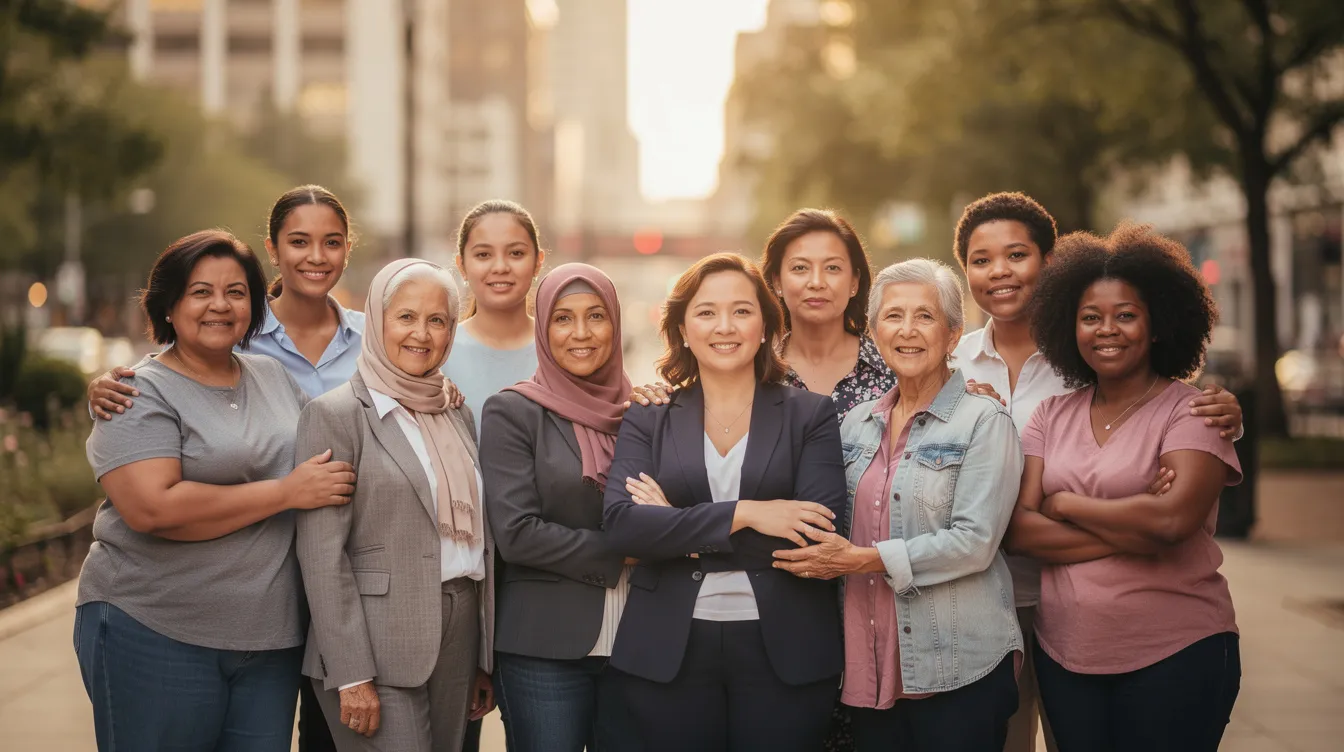
Snapshot 2025–2026: Where Women’s Rights Stand Right Now
The global picture in 2025-2026 reveals a mixed yet predominantly regressive landscape. Focus 2030’s 2025 report found that nearly 40 percent of countries—impacting over a billion women and girls—saw stagnation or regression in gender equality between 2019 and 2022. At current rates, achieving gender parity could take another 300 years.
Positive developments exist but are overshadowed:
-
Mexico achieved stepwise abortion decriminalization from 2021-2023
-
Chile expanded women’s constitutional protections
-
Spain enacted consent-based rape law reforms in 2022
Severe regressions demand attention:
-
Afghanistan: Education and work bans for women since 2021
-
Democratic Republic of Congo and Haiti: Widespread sexual violence with virtually no services
-
Gaza, Sudan, Ukraine: Conflict-related violence numbers reached crisis levels in 2023-2024
-
In 2024, 676 million women and girls lived within 50 kilometers of deadly conflicts—the highest number since the 1990s
Rising authoritarianism and far-right movements in Hungary, Poland, and several US states are restricting reproductive rights and rolling back protections. This trend is global, not limited to one region. Progress and backlash are happening simultaneously, making solidarity, rapid information-sharing, and online mobilization more critical than in previous decades.
Top Women’s Rights Issues Today
The following issues—informed by 2024-2025 data—affect women differently depending on where they live, their race, class, disability status, sexual orientation, and gender identity. Each issue connects to the others: conflict worsens violence and maternal mortality; poverty fuels trafficking risk; climate disasters increase child marriage and forced marriage.
Discriminatory legal frameworks, social norms, and gaps between laws and implementation reinforce inequalities and prevent advancing meaningful justice for women.
Later sections will show how women are using online networks and digital tools to respond collectively to these challenges.
Gender-Based Violence and Conflict-Related Sexual Abuse
Gender-based violence refers to acts that cause physical, sexual or psychological harm or suffering to women. Over one-third of women worldwide experience violence in their lifetime. In 2024, conflict-related sexual violence violations increased by 87 percent, with 95 percent of victims being children or young women.
Forms of violence include:
-
Intimate partner violence
-
Sexual assault and sexual violence
-
Workplace and online harassment
-
Obstetric violence
-
Conflict-related rape
Concrete examples from 2023-2025 include Ethiopia’s Tigray region, Sudan, DRC, and Haiti—all showing devastating patterns of abuse. Around half of countries still lack consent-based rape laws. Justice systems often fail survivors, especially in traditional or male-dominated courts where discrimination based on gender remains entrenched.
Women are responding by using encrypted messaging apps, survivor forums, and online legal aid platforms to share evidence, access support, and organize advocacy campaigns for law reform. Around 90 percent of anti-violence organizations report service reductions, making these digital connections even more vital.
Threats to Sexual and Reproductive Rights
Around 40 percent of women live under restrictive reproductive laws, with over 750 million affected globally. Roughly 6 percent face total abortion bans in countries like El Salvador, Honduras, and several US states after 2022.
Barriers to reproductive rights include:
-
Limited access to safe abortion care and contraception
-
Lack of comprehensive sexuality education
-
Stigma, cost, and clinic closures
-
Denial of post-rape care in conflict zones
The US Global Gag Rule reinstatement in 2025 suspended aid, projecting 11.7 million losing contraception access, 4.2 million unintended pregnancies, and 8,340 maternal deaths by year’s end. Related abuses persist: child marriage, female genital mutilation, and forced sterilization continue to threaten a woman’s right to control her own body.
Women turn to telemedicine, online abortion information hotlines, and cross-border support networks to protect bodily autonomy and share accurate medical information where local health services fail.
Economic Inequality, Unequal Pay, and Unpaid Care Work
The global gender wage gap means women earn approximately 77 cents for every male dollar—costing trillions in lost GDP and undermining economic growth. Economic rights, including women’s access to and control over resources, land, and financial opportunities, are essential for economic empowerment and independence. Unequal pay and occupational segregation keep many women in precarious work with limited economic opportunities.
The average gender pay gap globally is approximately 20%, and women currently earn roughly 77% of what men earn for the same work.
Key economic barriers:
-
Women perform about three times more unpaid labor and domestic work than men. Women spend, on average, two and a half times more hours on unpaid care and domestic work than men, and women and girls are often responsible for domestic work, which is undervalued and economically unrecognized.
-
Japan alone loses an estimated $761 billion annually due to unpaid care imbalance. Women are often in charge of unpaid labor, which acts as an economic subsidy for countries.
-
The triple burden of unpaid care, paid work, and community responsibilities falls disproportionately on most women
-
Gender employment gaps persist: 63 percent of women aged 25-54 in paid work versus 92 percent of men. In 44% of countries, there is no legal mandate for equal pay for equal work.
Online learning, remote work, digital entrepreneurship, and women-led online cooperatives help some women negotiate better pay for the same work, share financial literacy, and push for equal pay policies, paid parental leave, and childcare subsidies. The gender pay gap could be costing the global economy as much as $7 trillion.
A significant gender gap remains in technology access, which could save millions in economic losses if closed. These disparities in digital access and unpaid labor have broad consequences for the global economy, affecting overall economic growth and productivity.
Access to Quality Healthcare and Maternal Health
About 800 women die every day from preventable causes related to pregnancy and childbirth, with 95 percent in low- and middle-income countries. Post-COVID, these numbers have stagnated or reversed in many countries.
Healthcare gaps affecting women:
-
Cardiovascular disease symptoms in women remain underdiagnosed
-
Barriers to sexual and reproductive health care persist
-
Racial minorities, migrants, and disabled women face discrimination
-
Women hold only about 25 percent of senior health posts despite being the majority of the health care workforce
Telehealth platforms, online symptom trackers, cross-border medical second opinions, and digital maternal health communities allow women to exchange advice, track cycles and pregnancies, and advocate for respectful maternity care—especially where local health services are inadequate.
Education Gaps, Digital Divide, and Online Harassment
About 129 million girls remain out of school globally, with lower completion rates in low-income countries. In the Sahel and South Asia, conflict and early marriage drive dropouts at alarming rates.
Digital access remains unequal:
-
Up to 90 percent of girls in low-income countries are offline compared with 78 percent of boys
-
Fewer young girls own smartphones or laptops, blocking access to e-learning
-
In 12 European and Central Asian countries, 53 percent of women experienced online gender based violence
Online harassment drives women off platforms and undermines activism. Yet the internet is both threat and lifeline—female-focused learning platforms, coding bootcamps for girls, moderated online forums, and digital self-defense trainings equip women to stay online safely and collectively while ensuring women have equal access to education.
Climate Change, Food Insecurity, and Displacement
Climate disasters disproportionately affect women, who are often primary food producers in low-income countries. The Horn of Africa droughts, Pakistan 2022-2023 floods, and Pacific cyclones have increased unpaid work, child marriage, and trafficking risk.
Climate impacts on women:
-
Environmental shocks increase movement freedom restrictions and poverty
-
Climate-induced migration exposes women to higher levels of violence during transit and in camps
-
Food insecurity forces families into desperate choices that harm young people, especially girls
Women’s climate networks, online advocacy groups, and cross-country farmer cooperatives share adaptation strategies, funding opportunities, and legal tools to claim land and resource rights—building resilience through connection to local communities and global networks.
Legal and Institutional Barriers: When the Law Fails Women
Most countries still have discriminatory laws. Women enjoy only about 64 percent of the legal rights of men globally. While over 180 countries have ratified CEDAW, reservations and weak enforcement leave major gaps in human rights protections.
Discriminatory legal frameworks and social norms create barriers to justice for women, particularly in conflict settings.
Persistent legal barriers:
-
Family law discrimination in property and inheritance (e.g., parts of sub-Saharan Africa and South Asia)
-
Male guardian requirements in MENA region limiting women’s freedom
-
Underreporting of violence, low conviction rates, and discriminatory traditional courts
-
Lack of survivor-centered services, especially in rural or conflict-affected areas
Women lawyers, paralegals, and grassroots activists are building online legal clinics, rights education portals, and community WhatsApp groups to spread knowledge of legal rights and support strategic litigation. As UN Women’s Sarah Hendriks emphasizes, reforms must be shaped “by women for women.”
Authoritarian Backlash and Politicization of Women’s Bodies
Authoritarian and ultra-conservative governments use control over women’s clothing, mobility, and reproduction as tools of social control. Afghanistan’s Taliban, Iran’s morality policing, and anti-gender movements in Europe and Latin America exemplify this trend.
Restrictions on women’s freedom by authoritarian governments severely impact their ability to access essential services, participate in politics, and live free from violence. These legal and societal barriers undermine progress toward gender equality and limit women’s opportunities in all aspects of life.
Attacks on “gender ideology” often target LGBTQ+ people and roll back protections for trans women, eroding broader coalitions committed to social equality. Human Rights Watch and other organizations have documented these patterns extensively.
Women are resisting:
-
Iran’s “Woman, Life, Freedom” movement after 2022 galvanized global attention
-
Mass demonstrations in Poland against abortion restrictions
-
Latin America’s “green wave” mobilizations won abortion access in several countries
Online organizing, hashtag campaigns, and diaspora networks help women inside authoritarian contexts stay connected, document abuses, and keep global attention focused when local media is censored.
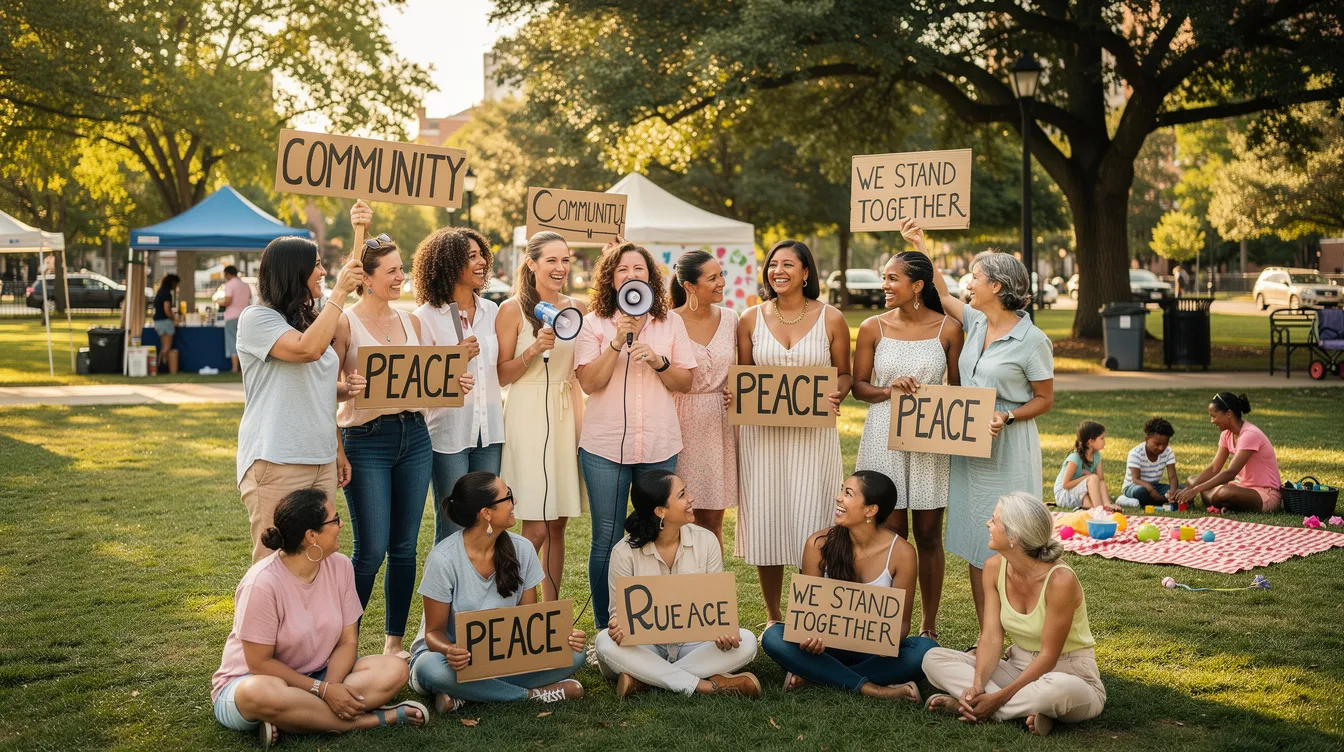
Intersectional Feminism: Why Experiences of Women Differ
Intersectionality explains how gender interacts with race, class, disability, sexuality, and migration status to shape specific forms of gender discrimination. Without this lens, we miss how systems affect different women differently.
Concrete examples:
-
Black women in the US face wider pay gaps and higher maternal mortality than white women
-
Indigenous women in the Amazon confront land dispossession tied to gender inequality
-
Disabled women face 2.5 times higher risk of intimate partner sexual abuse
Particularly targeted groups include migrant and refugee women, LGBTQ+ women (including trans women), informal workers, and women human rights defenders facing online and offline attacks. Online communities allow marginalized women to find each other across borders—disabled women’s forums, queer support networks, and groups for migrant domestic workers sharing safety tips.
Building effective solidarity requires centering these experiences and amplifying voices usually marginalized in mainstream debates about human rights issues.
Human Trafficking, Migration Risks, and Disability-Based Discrimination
Women and girls make up roughly 71 percent of all trafficking victims and about 96 percent of those trafficked for sexual exploitation. Recent crises—the Ukraine conflict, Central American instability—have increased vulnerability.
Risks for women on the move:
-
Gender-based violence along migration routes
-
Exploitation by smugglers
-
Lack of access to asylum procedures
Around 300 million women live with disabilities, many in low- and middle-income areas where support services are scarce. Ableism and sexism reinforce each other in access to education, work, and justice.
Survivors and advocates are building online hotlines, secure reporting tools, cross-border helplines, and disability rights communities that share legal resources, safe shelters, and advocacy strategies—demonstrating that protecting women requires connected action.
The Power of Women’s Solidarity: Why We Must Stick Together
Women’s suffrage movements are a key example of collective action that changed laws and advanced women’s rights. Alongside women’s suffrage, #MeToo since 2017, and Latin America’s green wave leading to abortion reforms in Argentina (2020) and Colombia (2022) show what solidarity achieves.
Why solidarity matters:
-
Reduces isolation and improves mental health
-
Enables shared knowledge and pooled resources
-
Strengthens bargaining power with employers and governments
-
Links issues together—land rights plus domestic violence shelters create lasting wins
In the current global backlash, no woman can rely only on individual resilience. We need networks: local collectives, unions, grassroots movements, and online communities that cross borders and regimes. When women support loved ones and each other across issues, wins tend to last longer.
Between 2018 and 2025, women-led movements using hybrid organizing—street protests plus digital mobilization—have defended rights under threat in countries from Poland to Argentina to South Korea.
Grassroots Movements, Transformative Leadership, and Local Organizing
Transformative leadership means shifting power, putting marginalized women at the center, and changing institutions rather than just faces in office.
Examples of transformative organizing:
-
Local women’s councils in Nepal and Kenya influencing development budgets
-
Women-led cooperatives in Ghana securing land and credit
-
Survivor-led networks changing gender based violence referral systems in South Asia
When women support each other locally—sharing childcare, pooling money, standing together in court—they can leverage national and international solidarity for bigger reforms. Online tools like group chats, low-bandwidth apps, and community platforms coordinate offline activities like protests, community meetings, and collective bargaining in local organizations and political spaces.
Digital Sisterhood: Using Online Resources and Communities as Lifelines
Women connect and help one another online through moderated forums, feminist social media spaces, encrypted survivor support groups, online legal advice clinics, and global petition platforms.
How young people are using digital tools:
-
Instagram, TikTok, and podcasts share feminist analysis and self-defense tips
-
Mental health strategies circulate through online communities
-
Stories from frontlines of activism inspire action in many countries
Safety strategies matter: digital security training, content moderation, community guidelines, and collective responses to trolls protect women from doxxing while allowing them to stay visible.
Successful online initiatives include:
-
Regional #MeToo offshoots documenting workplace harassment in society
-
Period poverty donation platforms connecting donors to girls in need
-
Cross-border mutual aid for abortion access across hostile laws
-
Diaspora networks keeping attention on abuses in censored countries
The central message is clear: women need to stick together and intentionally use online tools and communities as support systems for ensuring women can advance gender equality together.
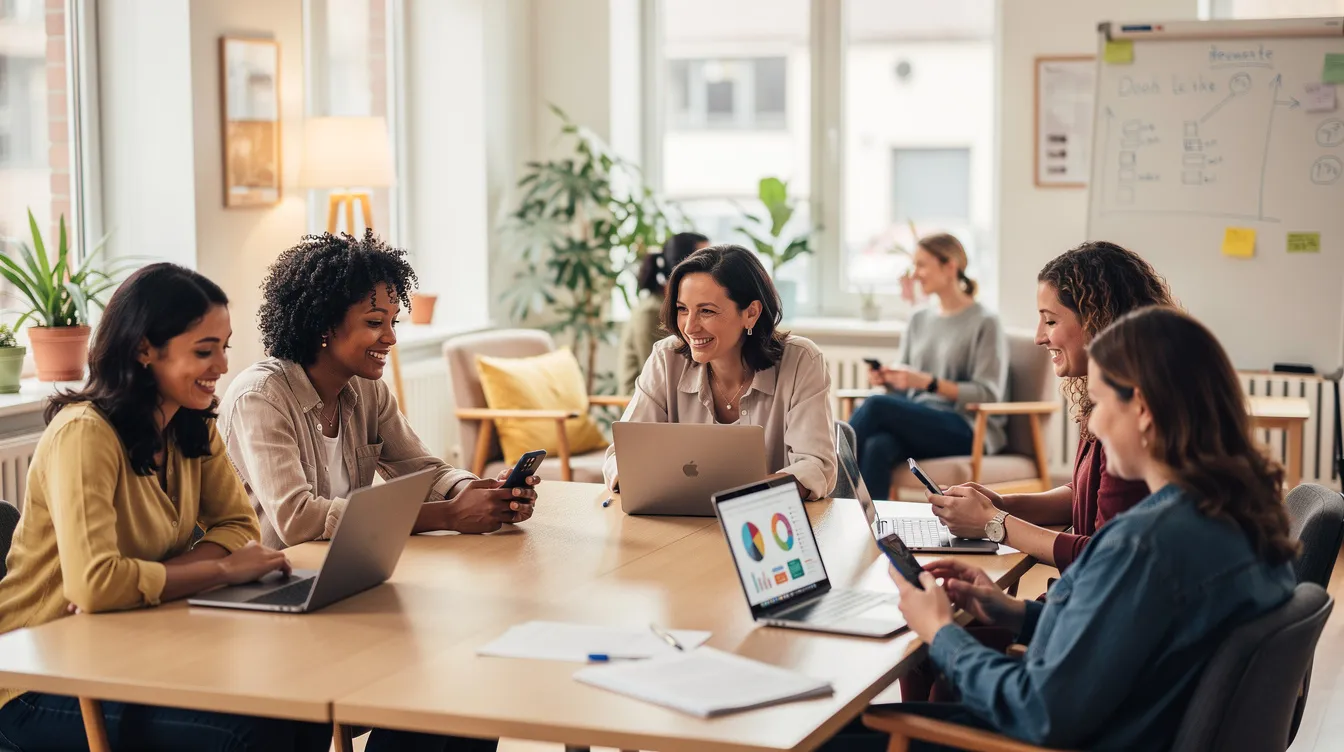
How Individual Women Can Take Action Today
Action does not require full-time activism. Small, consistent steps matter—especially when coordinated with others through online networks in the world.
Practical actions you can take:
-
Join a women’s group: Search for local organizations or online feminist communities
-
Support survivors: Donate to shelters or volunteer with hotlines
-
Learn local laws: Research your country’s protections for same rights
-
Contact officials: Write or call about policies affecting women
-
Participate in campaigns: Mark International Women’s Day (8 March) and 25 November
-
Share skills: Teach negotiation, coding, budgeting, or legal basics via webinars
Digital security matters:
-
Use secure messaging apps in restrictive countries
-
Consider pseudonyms and VPNs where needed
-
Join communities with clear moderation guidelines
Encourage skill-sharing: women teaching each other through group chats, online courses, and community platforms builds collective capacity across barriers and borders.
The path forward requires us to stick together. Women’s collective power—strengthened by online connection and solidarity—can still reverse today’s backlash and move toward genuine equality if we act together now. Start with one action this week, connect with other women, and remember: when we support each other, we all rise.
