
Why Is Sisterhood Important? (From a Women’s Rights Perspective)
Discover the vital role sisterhood plays in women’s lives, fostering support and empowerment. Explore the importance of these bonds in our latest article.
Key Overview
-
Sisterhood combines emotional support with political power—it’s both friendship and a force for gender equality.
-
Sisterhood provides a support network that fosters emotional well-being and a sense of belonging.
-
Cultivating a culture of support within sisterhood empowers women and creates inclusive spaces where everyone feels valued.
-
Concrete health benefits emerge: reduced anxiety, lower stress responses, and stronger confidence through mutual support networks.
-
Collective organizing drives change: movements like #MeToo and reproductive rights protests succeed because women show up for each other.
-
Intersectional sisterhood is essential—including women across race, class, disability, and sexuality ensures genuine liberation.
-
Sisterhood thrives everywhere today: community groups, workplaces, protests, and digital spaces like online mentoring networks.
What We Mean by “Sisterhood” in 2026
Sisterhood is the bond of solidarity, care, and shared struggle among women and gender-marginalized people—extending far beyond biological sisters. Sisterhood creates a sense of family that is not limited to blood relations, but includes a nurturing network of women who provide emotional safety, healing, and personal growth. This idea of sisterhood as a guiding principle highlights how these bonds transcend biological ties and encompass the connection between women who uplift and inspire each other. Lessons learned from a mother or maternal figure often shape a woman’s understanding of friendship, self-worth, and emotional resilience, providing foundational guidance that can contrast with the influences of peers or societal expectations. Maternal influence can instill values of support and empathy that become central to how women approach sisterhood and relationships. It’s the connection that forms when women recognize their shared experiences and choose to uplift one another against patriarchal structures. Recognizing and valuing women’s experiences is essential, as it lays the foundation for understanding, inclusion, and collective progress within sisterhood.
Recent milestones make this tangible. The #MeToo movement exposed workplace harassment across 100+ countries. The 2022-2024 reproductive rights protests in the US and Poland drew millions into the streets. For a women’s rights organization, sisterhood operates as both a personal lifeline and a strategic tool for transforming society. This article explores why this matters for your well being, your community, and the world.
1. Emotional and Mental Health: Sisterhood as a Lifeline
Women in 2026 navigate tremendous stress—disproportionate unpaid care work, persistent workplace inequality, and relentless social expectations. WHO reports documented women’s depression rates 1.5-2 times higher than men’s during post-COVID years. This reality makes sisterhood essential for survival. Studies have shown that social connections are linked to lower stress levels and improved overall well-being.
Feeling Seen
A strong sisterhood community creates a safe space where you can vent without judgment. Sharing and processing feelings within sisterhood is vital for emotional support, allowing women to acknowledge and express their feelings openly. When gaslighting happens at work or home, other women provide emotional validation that counters self-doubt. Sisterhood also provides a safe space for tears and emotional vulnerability, where tears are welcomed as part of authentic connection and healing. This sense of belonging transforms isolation into connection.
Sharing the Load
Practical support matters during crises. Women leaving abusive relationships find friends who share shelter information. Those facing job loss discover networks offering childcare swaps and job leads. Weekly women’s circles and daily online check-ins demonstrably reduce stress—research shows 20-35% lower anxiety symptoms among women in supportive networks. Engaging with a support network can reduce anxiety, increase happiness, and enhance physical health. The simple act of spending quality time with friends releases oxytocin, promoting feelings of bonding and relaxation.
Surviving Crisis
Mental health improves through consistent support. Rather than facing problems alone, sisterhood fosters healthier coping mechanisms and builds self esteem through encouragement. The transformative power of feeling heard cannot be overstated. Sisterhood helps women heal emotionally by creating safe spaces to process vulnerabilities and recover from emotional wounds. The emotional support provided by sisterhood is crucial for mental health, reducing feelings of isolation.
2. Why Sisterhood Matters for Physical Health and Safety
Women’s bodies remain sites of control and violence—137 women die daily from gender-based violence globally. Sisterhood creates family-like bonds that provide lifelong support, offering a nurturing network that extends beyond biological family. These connections build both protection and resilience against these realities.
Strong personal connections encourage health-seeking behaviors. Friends remind each other about mammograms, accompany one another to doctor appointments, and share information about reproductive healthcare access. Having a best friend or trusted sister provides emotional safety and support, which is vital for personal growth and healing. Good friendships are proven to improve holistic health, including mind, body, and spirit. The support network that close female friendships provide can act as a buffer against stress, which has detrimental effects on health. Physiologically, female bonding triggers oxytocin release, lowering blood pressure and improving sleep quality. Having trusted sisters to share with can lower blood pressure and reduce the likelihood of chronic diseases. In fact, strong female friendships are shown to be as important to health as proper diet or exercise. Sisterhood also acts as a buffer against stress and loneliness, with studies suggesting that stressed women often seek out other women, releasing oxytocin, which reduces anxiety.
Safety manifests in practical ways: group chats ensuring everyone gets home safely after nights out, campus buddy systems countering harassment, community networks helping survivors access shelters and legal aid. During the UN’s 16 Days of Activism, local women’s groups reported 15-20% increases in survivor support through networked sisterhood. These bonds directly impact physical health outcomes.
3. Sisterhood as a Force for Women’s Rights and Social Change
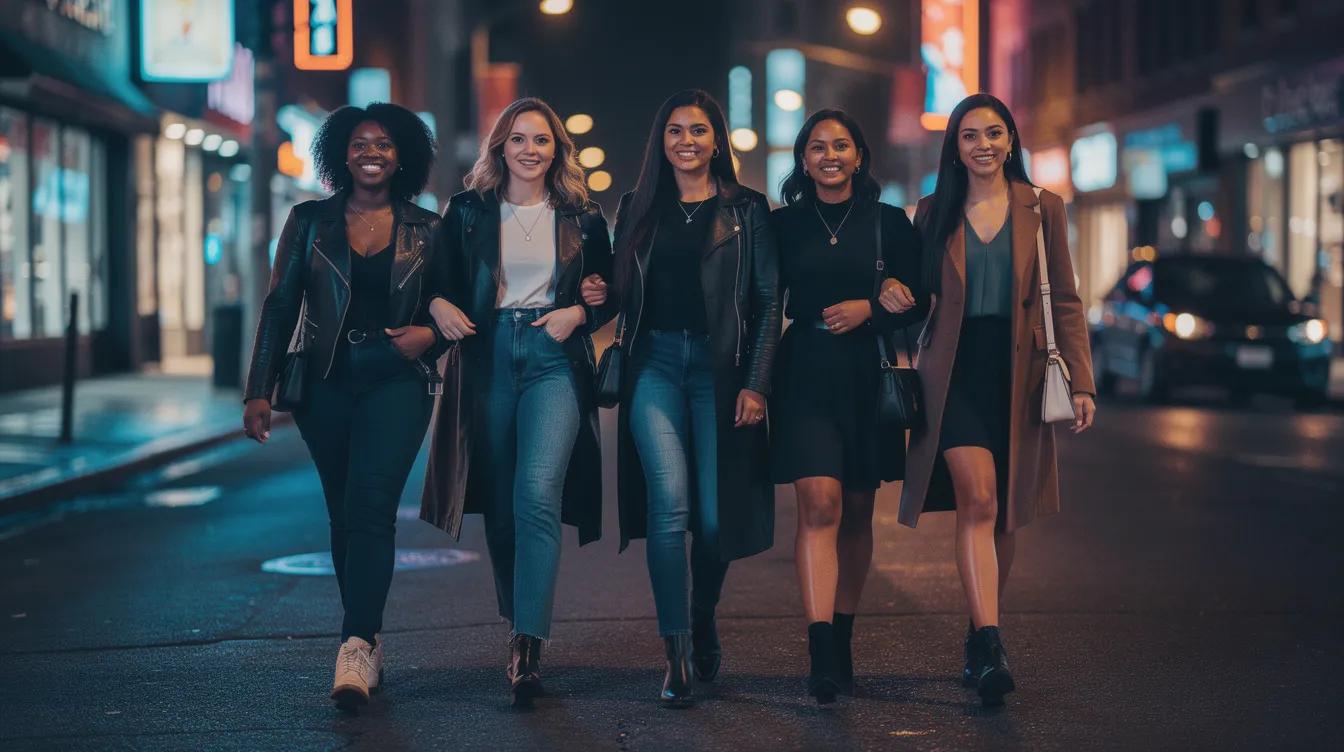
Personal bonds fuel political movements. The unity of women in sisterhood drives collective action and social change, turning individual grievances into a powerful force for transformation. When women organize together, individual grievances transform into collective empowerment that changes laws and institutions. Sisterhood empowers women to challenge societal norms, break down barriers, and confront discrimination that perpetuates inequality.
The evidence is clear: #MeToo yielded 200+ high-profile convictions and policy reforms. Women’s Marches drew 5 million participants globally in 2018. The 2022-2024 reproductive rights protests—from US “Bans Off Our Bodies” campaigns to Polish “Black Protests”—sustained momentum through sisterly task-sharing and mutual support.
Sisterhood inspires women through shared stories and activism, motivating each other to achieve their goals and overcome obstacles. When women unite in solidarity, they amplify their voices and advocate for change on issues ranging from gender equality to racial justice. Sisterhood provides a platform for women to share their stories, raise awareness about important issues, and mobilize collective action for social and political change. It enables women to effect meaningful and lasting change in the world by challenging oppressive structures and advocating for policies that promote social justice.
Sisterhood amplifies individual voices into petitions and legislative victories. It protects activists from burnout through shared responsibilities. It builds a sense of “we” that makes it safer to speak out against powerful institutions. Grassroots organizing to pass domestic violence laws succeeds because women show up for each other consistently.
This isn’t a “nice extra”—it’s strategic necessity for any long-term feminist work.
4. Confidence, Leadership, and Economic Empowerment
Despite progress, women hold only 27% of corporate board seats globally, and wage gaps persist at 16-23% worldwide. Internalized sexism and leadership bias still limit opportunities. Sisterhood directly addresses these barriers.
From Self-Doubt to Self-Trust
Encouragement from other women builds confidence. Honest feedback counters imposter syndrome. Celebrating achievements publicly—through social media or in-person recognition—reinforces that success is deserved.
From Isolation to Opportunity
Sisters share concrete resources: salary benchmarks, job leads, funding opportunities for women-led businesses. Peer skill-sharing includes CV reviews, negotiation practice, and public speaking coaching. Women practice leadership in low-risk spaces like community groups before stepping into public roles.
Mentoring networks launched since 2020 have helped women run for office, start NGOs, and advance in male-dominated fields. This journey of personal growth happens through relationships, not isolation.
5. Intersectional Sisterhood: Including Every Woman
Intersectionality—coined by Kimberlé Crenshaw in 1989—explains how overlapping identities shape each woman’s experience. Gender combined with race, class, disability, sexuality, or migration status creates compounded challenges. Honoring and celebrating the diversity of women’s experiences is essential to building a truly inclusive sisterhood.
Without inclusive sisterhood, mainstream women’s spaces often center white, middle-class, able-bodied experiences while ignoring others. True liberation requires listening to those most affected by sexism combined with racism, ableism, and economic injustice. Intersectional sisterhood also allows for the exchange of wisdom, advice, and life lessons among women, enriching everyone’s understanding and growth.
Practical examples exist: coalitions between women’s rights groups and Black Lives Matter, organizations led by disabled women and trans women creating their own campaigns, Indigenous women defenders forming alliances across borders.
Practice intersectional sisterhood by actively inviting diverse voices into leadership, listening more than speaking when you hold privilege, and challenging exclusionary attitudes within women’s spaces. Self awareness and self reflection about your own position matter.
6. Everyday Ways to Build and Nurture Sisterhood
Building sisterhood requires intentional action. Here’s how to start fostering these bonds in your life.
Start Small
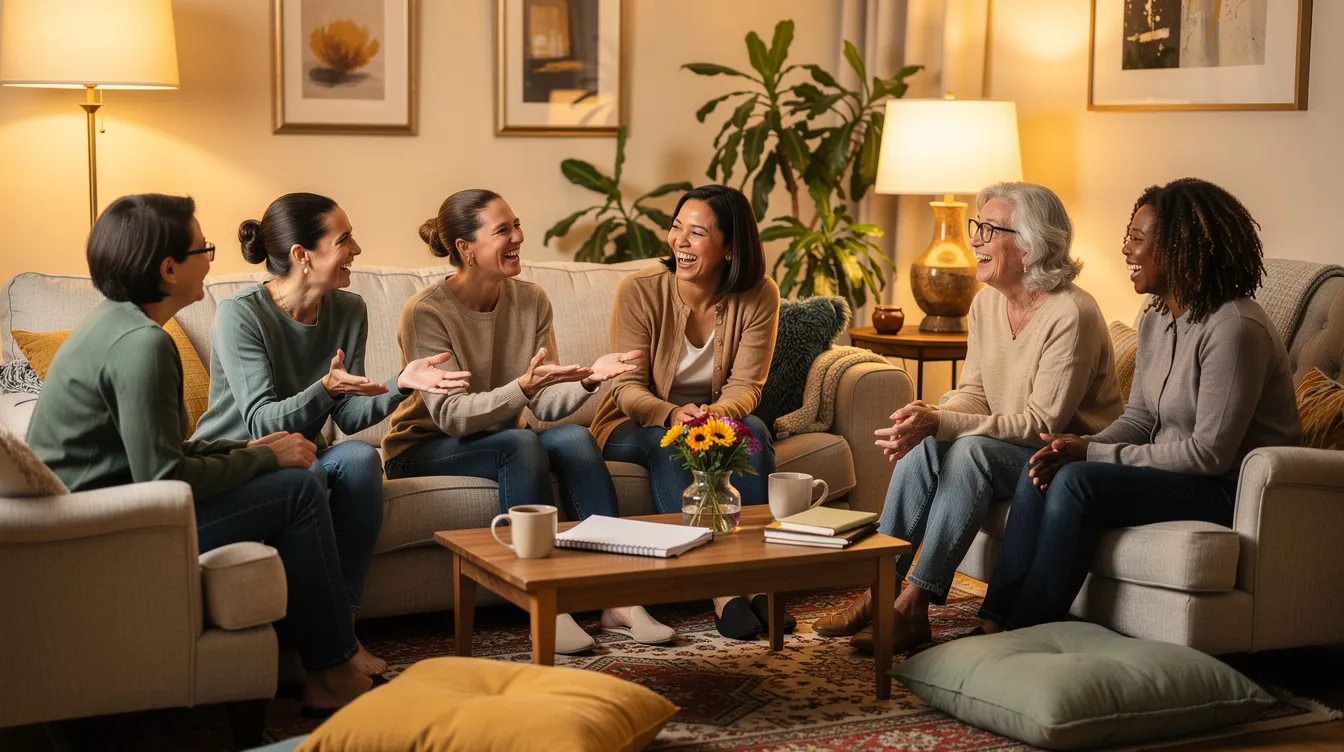
Join or create a local women’s circle, book club, or advocacy group. Volunteer with women’s shelters, legal aid organizations, or crisis hotlines, or get involved with empowerment programs for women and girls. These spaces enable self discovery and nurturing relationships with other women. Camaraderie is built through shared activities and group experiences, strengthening the sense of fellowship and support. These everyday actions empower women to gain confidence, achieve personal growth, and create positive social change by fostering mutual support and collective action. Embracing sisterhood means being open to collective empowerment and allowing yourself to grow through connection and vulnerability. Exploring shared interests—whether hobbies, passions, or causes—deepens bonds and creates lasting friendships. You can cultivate sisterhood by seeking out like-minded women through social groups and community organizations. Sisterhood often serves as accountability groups, encouraging members to stay focused on their goals.
Show Up at Work
Support women colleagues by sharing credit, addressing sexist comments collectively, and advocating for policies like parental leave and pay transparency. Refuse to undercut each other—sisterhood means actively contributing to everyone’s success.
Build Online Community
Create moderated group chats or forums with clear guidelines against harassment. Digital spaces extend sisterhood’s reach, offering advice, wisdom, and motivation across distances.
Stay Consistent
Check in on friends during stressful periods. Celebrate other women’s achievements publicly. Offer practical help—childcare swaps, transport sharing, application reviews. Small daily practices compound into deep friendship and lasting bonds.
Overcome barriers like internalized competition or past betrayal by setting boundaries, starting with low-stakes groups, and seeking spaces built on feminist values.
Conclusion: Sisterhood as Both Shelter and Strategy
Sisterhood protects women’s mental health and physical health. It builds confidence and leadership. It fuels organized resistance against sexism and oppression. For women’s rights organizations, nurturing sisterhood is long-term strategy for transforming families, workplaces, and laws—not merely a feel-good activity.
Identify one concrete step you can take this month. Join a group. Message a woman you admire. Share stories and support someone navigating difficulty. Sisterhood evolves with changing realities—embrace it as an ongoing practice.
When women stand together, we don’t just survive—we thrive. That’s the foundation of true sisterhood, and that’s how we change the world.
FAQ: Sisterhood and Women’s Rights
These questions address practical concerns about building and sustaining sisterhood in your life.
How is sisterhood different from just having female friends?
While friendship is personal, sisterhood adds shared purpose and solidarity around women’s rights. It includes mutual support in confronting sexism and inequality, not only socializing. Sisterhood can exist between women who aren’t close friends but still show up for each other in movements or workplaces. Friendships can grow into sisterhood when there’s trust and commitment to each other’s dignity and freedom.
Can men be part of sisterhood or support it?
Sisterhood specifically describes bonds among women and gender-marginalized people, but men can support it as allies. Supportive behaviors include listening without defensiveness, challenging sexist behavior in male spaces, and backing women-led initiatives. Respecting women-only spaces is essential, especially for survivors needing safety. Men benefit from building their own accountability circles focused on unlearning sexism.
What if I’ve been hurt by other women—how do I trust sisterhood again?
Many women have experienced betrayal from other women, and that pain is real. Patriarchy often pits women against each other through scarcity and competition. Start small by joining low-stakes groups, setting clear boundaries, and giving trust gradually. Seek spaces explicitly built on feminist and trauma-informed values where facilitators understand how to create safety and reduce fear.
What can I do today to strengthen sisterhood in my life?
Send a supportive message to a woman you admire. Check in on a friend facing stress. Join an online group focused on women’s rights. Share reliable information about a current issue. Pick one woman you can actively support this week—offer a job reference, attend an event together, or share her aspirations with your network. Sisterhood grows when we move from intention to action.
